Written by Nik Mohan
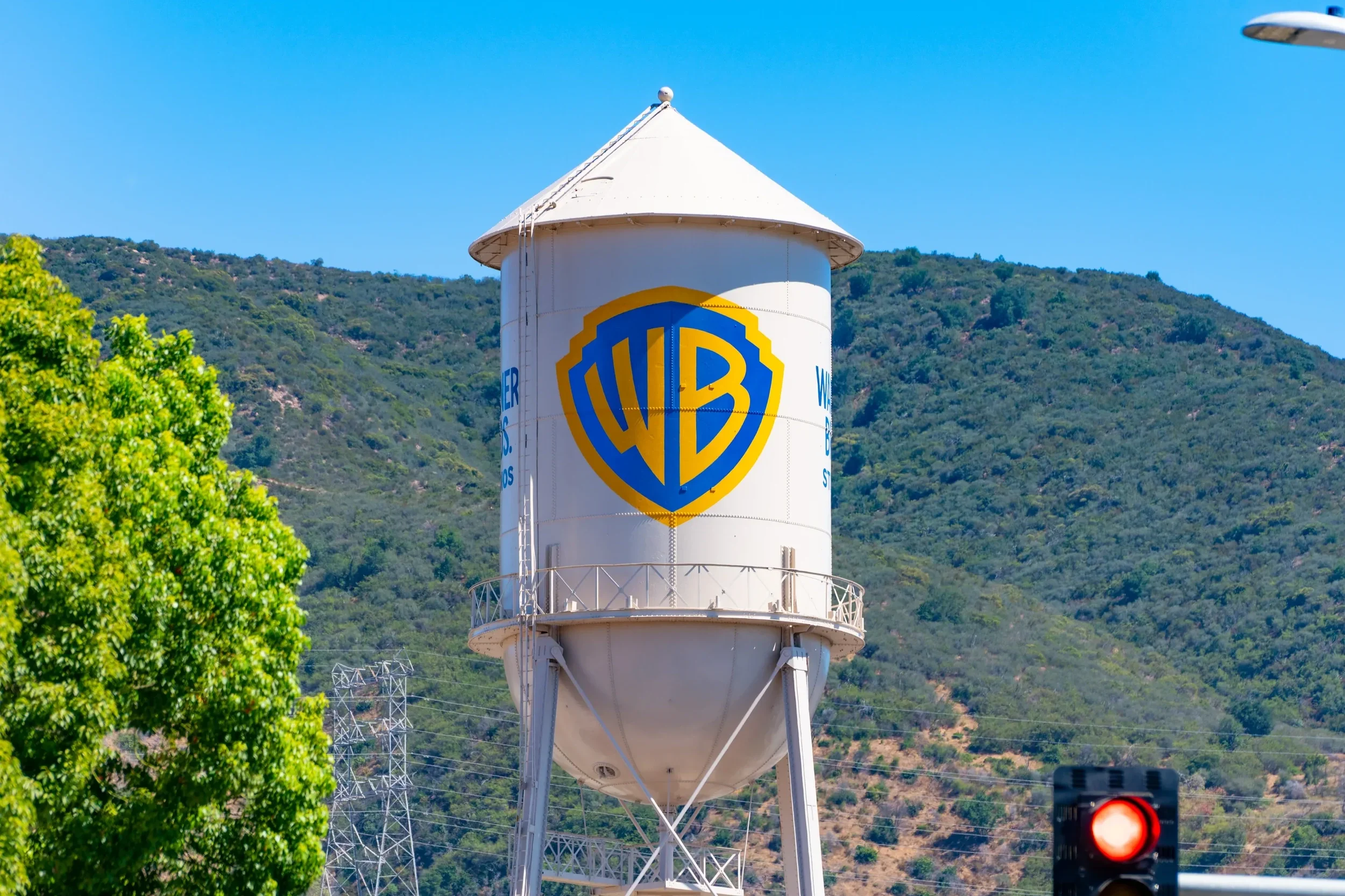
Courtesy of Warner Bros.
Alcon Entertainment has reached a settlement with Warner Bros. Discovery over allegations of copyright infringement involving AI-generated imagery used to promote Tesla's Cybercab, although its legal action against Elon Musk and Tesla remains ongoing.
The production company behind Denis Villeneuve's 2017 sci-fi film 'Blade Runner 2049' has resolved its dispute with Warner Bros. Discovery after accusing the studio of helping facilitate the unauthorised use of imagery associated with the film. According to court documents, both companies have agreed to settle, although the financial terms and other details of the agreement have not been disclosed.
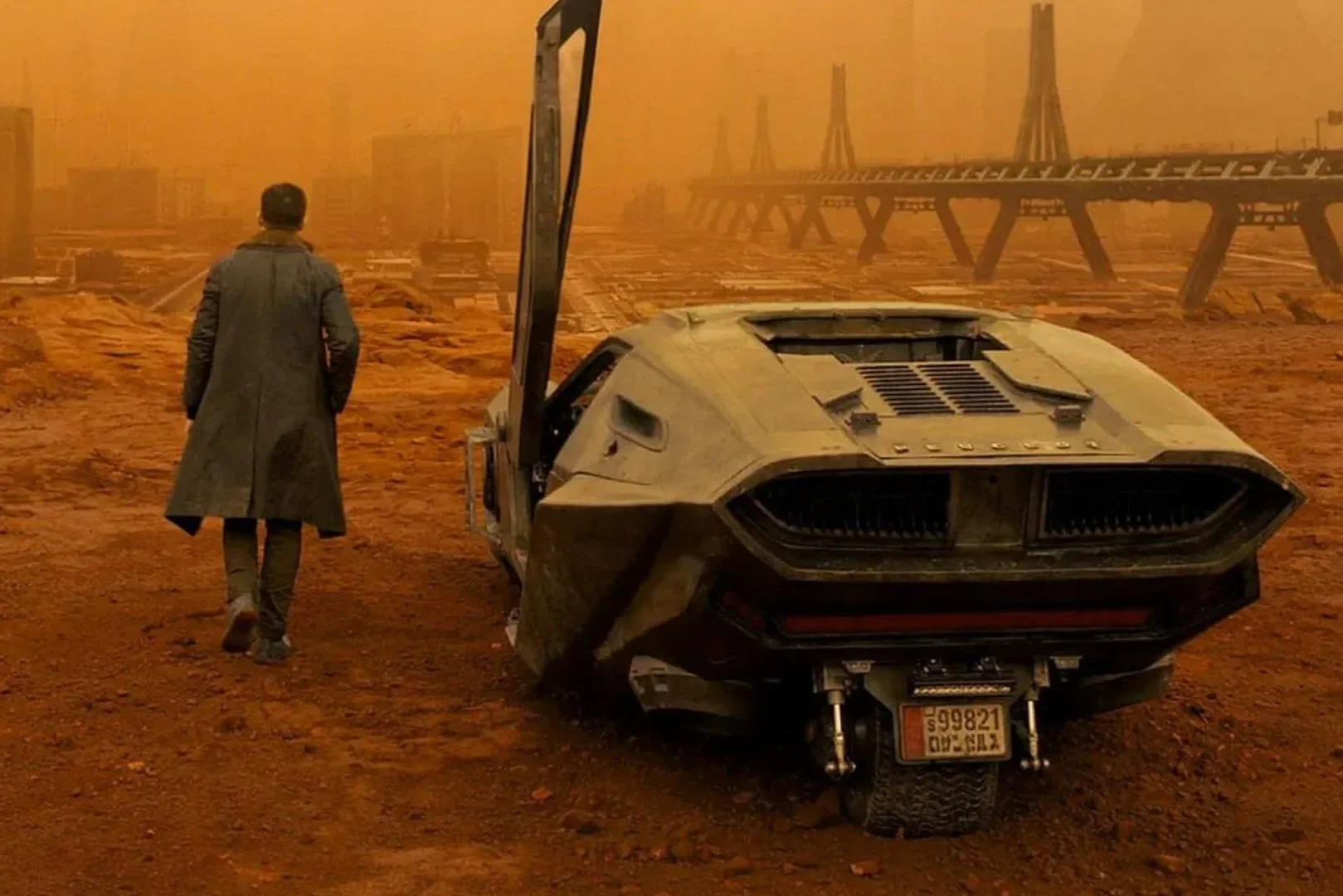
The controversy dates back to October 2024, when Elon Musk unveiled Tesla's autonomous Cybercab during a presentation at Warner Bros.' studio lot in Burbank, California. During the event, Musk displayed an image featuring a trench-coated figure overlooking a deserted, orange-tinted cityscape, bearing a striking resemblance to a sequence from 'Blade Runner 2049' in which Ryan Gosling's character explores the ruins of Las Vegas.
Alcon Entertainment subsequently filed a lawsuit against Tesla, Musk and Warner Bros. Discovery, alleging that the promotional image had been created using artificial intelligence to reproduce protected elements of the film without permission.
According to the original complaint, Alcon had explicitly rejected a request to license imagery from 'Blade Runner 2049' for Tesla's presentation. The company alleged that the defendants proceeded with a digitally generated alternative despite this refusal, effectively bypassing its intellectual property rights.
The production company also raised concerns about the potential damage caused by associating the 'Blade Runner' franchise with Musk, citing his political and social views. Alcon argued that the perceived connection could negatively affect relationships with existing and prospective commercial partners, particularly as it continues developing the franchise through the upcoming television series 'Blade Runner 2099'.
While Warner Bros. Discovery has now reached a settlement, the allegations against Tesla and Musk remain unresolved. The studio had previously faced claims of direct and contributory copyright infringement, although the court dismissed the direct infringement allegation after determining that Warner Bros. was not responsible for overseeing Tesla's presentation.
Tesla and Musk have maintained that the disputed imagery falls under the legal principle of fair use. Their argument centres on the suggestion that Musk referenced the dystopian world of 'Blade Runner 2049' to contrast its bleak vision of the future with Tesla's ambitions for autonomous transportation.
A federal judge previously indicated that Alcon had presented a plausible copyright infringement claim, allowing the dispute to proceed rather than dismissing it at an early stage. However, the court has not made a final determination on whether Tesla's use of the imagery constitutes infringement or qualifies for fair-use protection.
The settlement removes Warner Bros. Discovery from the ongoing legal confrontation, but the remaining dispute could carry broader implications for Hollywood as studios, filmmakers and technology companies continue to navigate the growing use of artificial intelligence in commercial advertising.
For Alcon Entertainment, the central issue remains control over how its creative properties are reproduced, commercialised and associated with brands, particularly as AI technology makes it increasingly possible to recreate recognisable cinematic imagery without directly using original footage.
TRENDING NEWS