Interview: David Moscow Takes Food Back to Basics in ‘From Scratch’ as Season 6 Debuts to Critical Acclaim
Courtesy of Peacock / Justin Solar.
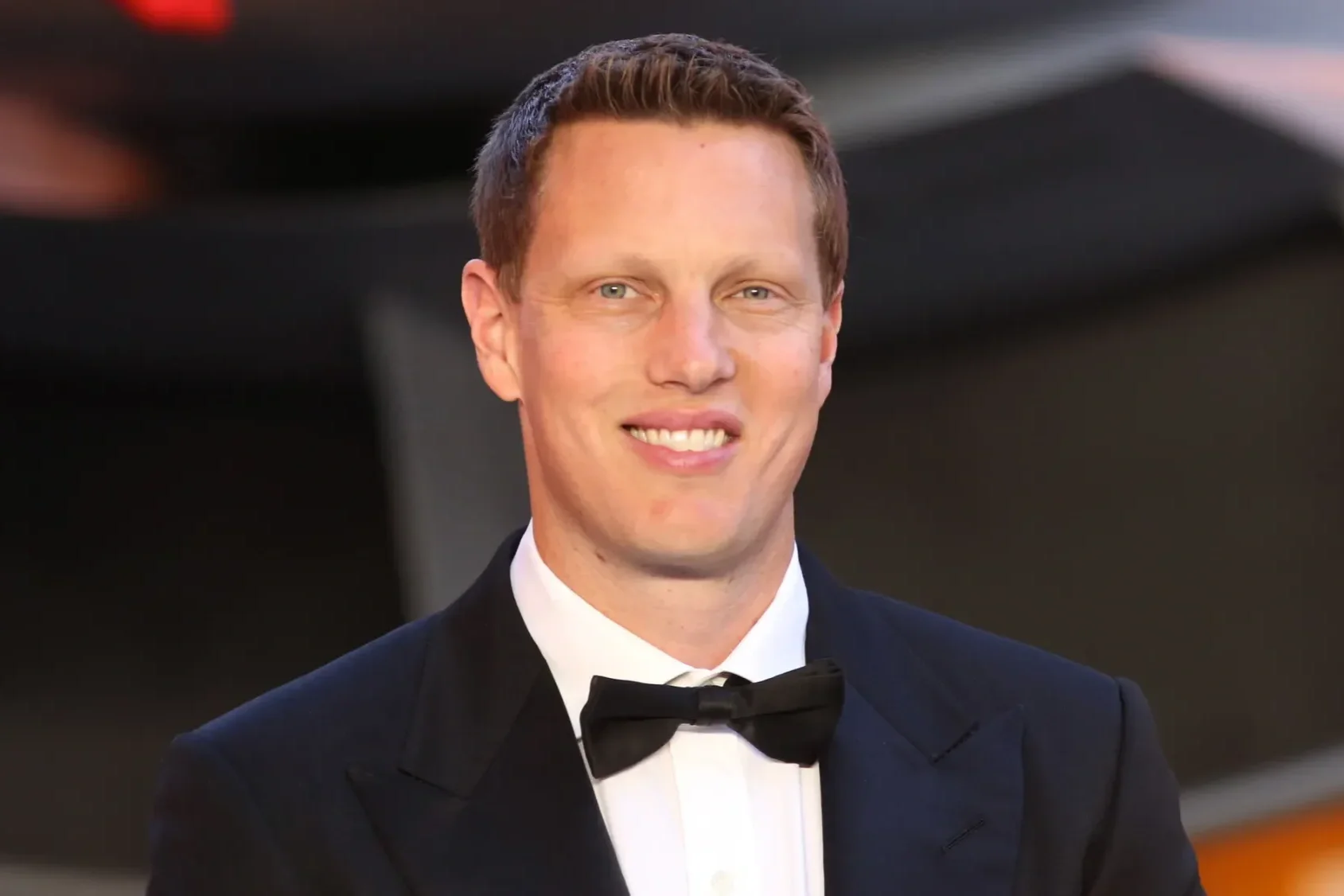
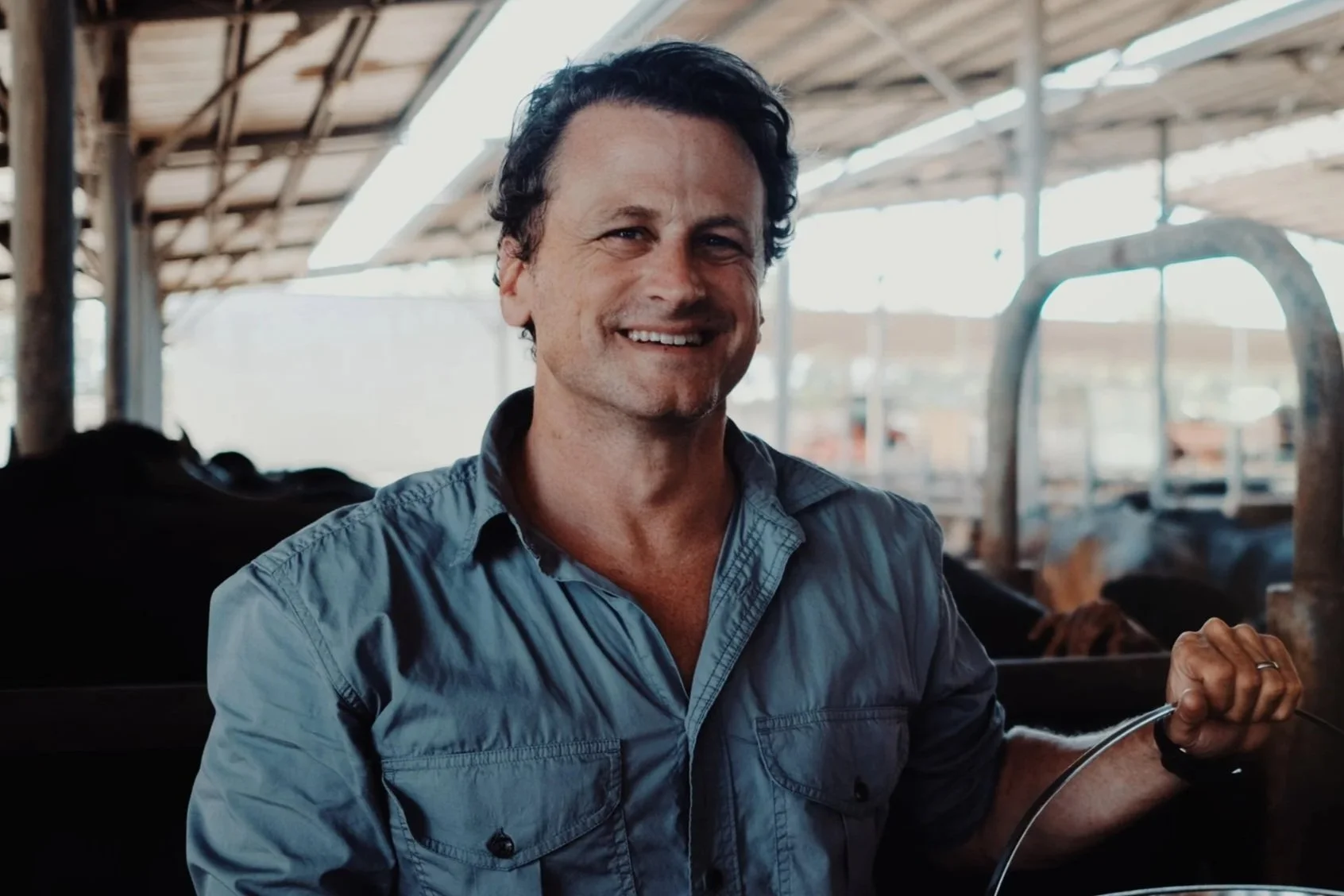
Best known for his early roles as Josh Baskin (the younger version of Tom Hanks) in ‘BIG’ and as David Jacobs in Disney’s ‘Newsies,’ David Moscow currently hosts and executive produces series ‘From Scratch,’ an unscripted travel and food series which premiered Season 6 on March 2 on Peacock. Moscow co-created the show with his partner Karen Moscow, who also serves as showrunner.
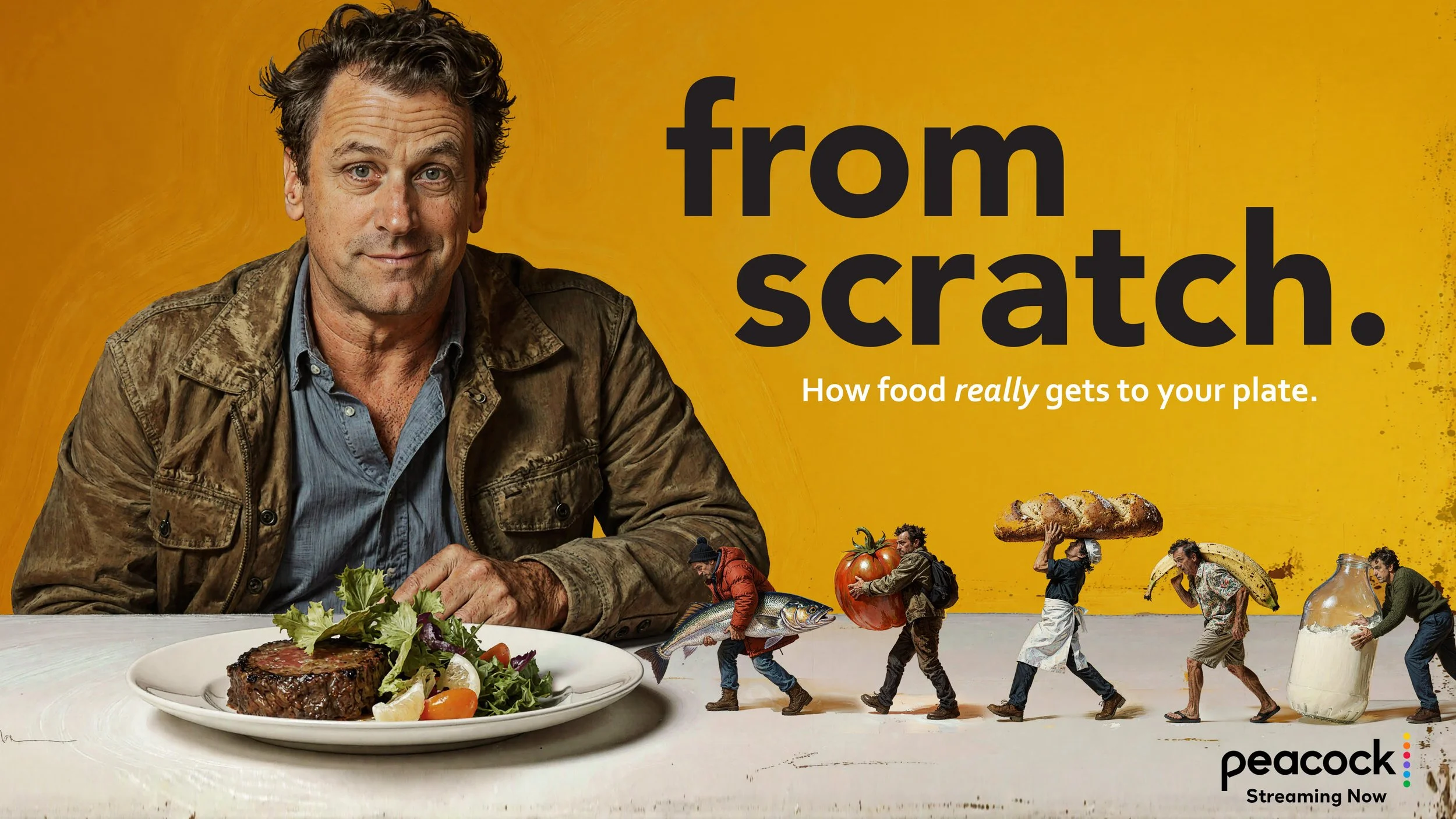
In ‘From Scratch,’ Moscow immerses himself in diverse culinary landscapes around the world, taking on the ambitious challenge of recreating each region’s signature dish entirely from the ground up — sourcing, harvesting, and preparing every ingredient himself. Blending cultural exploration, sustainability, and difficulties, the series offers a vivid, behind-the-scenes look at the origins of what we eat, spotlighting the communities, traditions, and labor that bring food from land to plate.
Courtesy of Peacock / Justin Solar.
We see everything is about the finished meal — whether it’s fast food or at a sit-down restaurant, but never even begin to think about “okay where is this coming, how is it sourced?” For you, what sparked your interest in developing this series as a way to lift the curtain behind a finished product?
Moscow: The genesis of it was in 2016. The country was really going through some rough times. I felt like it was being pulled apart. And what I realized at the center of everything is food. It's hard to get mad at people who are making you tacos and a margarita. And I think that if you can lift the veil and see the hard work, that that would sort of be a unifying force. So initially it was just going to be a one off documentary. I was going to make a documentary and go down to Mexico, and people would teach me how to make tequila and teach me how to make masa and make tortillas, and tacos. And then I had an agent who was like, you know, this would be a good pilot. What if you did different food cultures every week… and that's what we've been doing for the last six seasons.
You once produced a documentary for LA-based restaurant ‘Broken Spanish’ on how the Pork Chicharrone Taco was made. That was the first deconstruction of a meal — showing the difficulties of bringing food to tables. Those were turbulent times to say the least, what made you choose ‘Broken Spanish’ as your first project?
Moscow: Mexicans are the backbone of the food industry in the United States. And, I love Ray's food [Broken Spanish chef]. So it was sort of like, okay, this is perfect for me. And I get to learn how he makes that chicharron taco, you know?
I’ve seen a couple of your new episodes involving Hawaii and Norway/Poland/Canada to craft a bagel from scratch. You’ve traveled to so many places now — and by hunting/fishing, prepping, and cooking your own meals, surely it gives you a profound attachment to the land you're on and the community you’re involved with — learning culture from food?
Moscow: At the heart of culture is food, right? Everything that people do is where's the food? How do we get more food? How do we work together to do that? And then culture kind of spills out of that. So it not only gives me a sort of profound respect for wherever it is — whether I'm in Hawaii learning how, you know, the Austro has moved across Polynesia and in Southeast Asia and brought food along with them — to make the bagel and how the bagel evolved over thousands of years in multiple places… the breakfast sandwich of New York City. I think that's a really cool thing that. And I'm not only talking about like sixty eight people that it takes to make a pizza, right? Like the [who the] people [are that] milk the cows and the people harvesting the wheat and then cooks it.
Food is now an afterthought for a lot of humans. Of course there are people in this world who don’t have access to food like we do. I can just order UberEats on my phone and it’ll be here within twenty minutes. What are some of the conscious thoughts you have now, when going to a restaurant and when ordering food online — and is that something you can switch off?
Moscow: It's kind of ongoing now. And it makes it makes going out to eat harder, you know, because you do want to be able to turn it off and just be in it. One of the hardest things is that you really can't go and have just an average meal anymore, right? Because I've eaten with so many amazing chefs and it doesn't only have to be like, we've done some of the fanciest restaurants in the world, but we've done food trucks and pizza parlors and those are equally as good. I think the rest of the country is kind of going through the same thing. It used to be there was bad food — there were bad restaurants out there. And now I think everywhere in America, if there's a bad restaurant, someone's going to open a good one right across the street and you're not going to last very long. So that's the hard thing… is it's raised my expectations of what to eat.
I understand that during your time in Peru during season 2, you ate Guinea Pig. To me, that sounds like an incredibly difficult thing to go forward with, yet very commendable because you are immersing yourself within a certain culture who does things in certain ways.
Moscow: In sixth grade, I had to take home a guinea pig — the class had the guinea pig. So there was a brief time where I was the pet owner of a of a guinea pig. [Years later] I had to slaughter it and eat it, that's called the Madikwe, which is the guinea pig killer. That's a tough one. Something also like you can't deny your life: your history. There are things that if you haven't grown up eating them are pretty tough. And just like some people in other countries would look at like, you know, lobster and shrimp as tripe, like you can't have that — the same way guinea pig was not the most appetizing dishes… It's a protein high in the mountains where there's not a lot of animals. In with the Quechua people, their houses actually have these benches on the inside of the walls and those benches have holes in them. And the guinea pigs live in the house and they live in the holes in the benches. And so it's a really easy way to have protein in a land that is pretty harsh.
How has slaughtering animals changed your perspective on meat products — because we now know that animals are very intelligent, empathetic, beings who have been severely mistreated by humans. That has to be emotionally taxing, so talk about that process and the difficulties involved.
Moscow: We cut down a lot. My whole family did. When we started the show — that's the hardest part. Realizing that at pretty much every American meal, there's a death of an animal and sometimes more than one… And so getting up close and personal with that, which I had never done before the show, transformed me. My son went vegetarian for a year after that first episode was done and we moved meat to the appetizer or as a condiment to the main meal…
Just going back a bit; you were raised in the Bronx, spent your summers in Montana/Utah/Maine — with cousins — your Grandpa took you fishing — a very active lifestyle within nature. Of course you were cast in ‘BIG’ and your life took this major shift of movie sets over nature. Did that life transition from all those years ago play a part in forming your decision to make a show like ‘From Scatch?’
Moscow: It is solidly based on having a grandpa like my grandpa and going out and hanging out with my cousins in Utah and Montana and summers I spent in Maine. I was about to have a kid and I was thinking about like, what were the things I enjoyed when I was young? And it really was those times with family where everyone was based in Salt Lake City and we'd drive up to Camas, which was in the mountains and, and go camping and fishing. And I was also surrounded with on my mom's side, very capable people, the kind of people who like their truck would break down and they'd get out and pop the hood and fix it on the road. And I think that's what you see a lot with food producers. You know, farmers are not only growing things, but they are tinkering, they're fixing machines, they're building their own machines. If they don't, if there's not a machine that does it and they can't buy it, then they're going to build it…
If there is anyone, dead or alive, that you could bring on an episode, who would that person be and what meal would you deconstruct with them?
Moscow: The most enjoyable part of my show is when I bring my two kids with me and they fish with me. They milk goats. They go harvest the chicken eggs. They chase down a chicken — reliving my childhood, but also seeing the joy and the growing confidence that they have. So I didn't bring back Lincoln or Einstein. I'm just going to bring Harrison and Maddie and hopefully continue to bring them on episodes with me.
‘From Scratch’ serves as both a personal journey and a wider invitation for viewers to reconsider their relationship with food, illuminating the effort, culture, and communities behind every meal. As David Moscow travels from Hawaii to India and beyond, Moscow brings a sense of curiosity and respect to each experience, ultimately reminding us that what we eat is deeply connected to where and who it comes from.
TRENDING NEWS