Mark Ruffalo Clashes With James Cameron Over Netflix–Warner Bros. Deal as Trump Mounts Pressure on Streaming Giant
Courtesy of Getty.
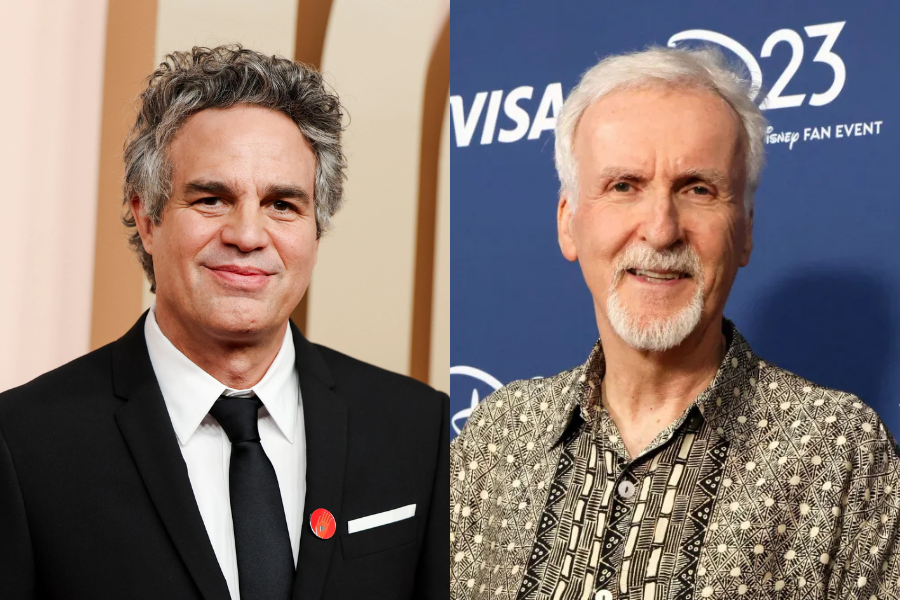
Mark Ruffalo pushed back at filmmaker James Cameron on Saturday after Cameron warned U.S. lawmakers that Netflix’s proposed acquisition of Warner Bros. Discovery could devastate the theatrical movie business.
Cameron, in a letter to Senator Mike Lee, chair of the Senate Judiciary subcommittee on antitrust, argued that allowing Netflix to purchase Warner Bros. Discovery would be “disastrous for the theatrical motion picture business.” The director wrote that such a deal could lead to theater closures, fewer films being made and widespread job losses across the industry.
“The business model of Netflix is directly at odds with the theatrical film production and exhibition business, which employs hundreds of thousands of Americans,” Cameron wrote. He added that it would also conflict with the traditional studio model of Warner Bros.; “It is therefore directly at odds with the business model of the Warner Brothers movie division, one of the few remaining major movie studios.”
Ruffalo responded on Instagram Threads, questioning whether Cameron and lawmakers were applying the same scrutiny to other potential media mergers.
“So… the next question to Mr Cameron should be this. Are you also against the monopolization that a Paramount acquisition would create? Or is it just that of Netflix?’” Ruffalo wrote.
He continued by suggesting the film community deserves clarity on whether Cameron and Senator Lee oppose other consolidation efforts, including any potential Paramount deal. “We all want to know,” Ruffalo wrote, saying he was speaking “on behalf of hundreds of thousands of filmmakers worldwide.”
Netflix is currently poised to acquire Warner Bros. studios and HBO Max in an $83 billion deal. Warner Bros. opened a seven-day window on Feb. 17 during which Paramount Skydance could attempt to assemble a superior offer. Warner Bros. Discovery shareholders are scheduled to vote on the Netflix acquisition on March 20.
Netflix co-CEO Ted Sarandos has sought to reassure industry observers that the company would preserve Warner Bros.’ theatrical strategy. In a recent interview, Sarandos said the rollout for films would “remain largely like it is today,” even jokingly offering a “blood oath” to maintain the model.
The proposed merger has also drawn political attention. President Donald Trump called on Netflix to fire board member Susan Rice, the former U.S. ambassador to the United Nations and national security adviser under President Barack Obama, after remarks she made about corporate accountability if Democrats return to power.
Posting on Truth Social, Trump wrote that Netflix should remove Rice “immediately, or pay the consequences,” calling her a “political hack.” A Netflix spokesperson did not immediately respond to requests for comment.
Rice’s comments came during an appearance on Preet Bharara’s podcast, where she said corporations and institutions that aligned themselves with Trump for short-term interests could face consequences if Democrats regain power. She suggested that companies that “take a knee to Trump” may later be “held accountable” by political opponents and voters, adding that Democrats would not necessarily “play by the old set of rules” if they return to office.
Trump shared Rice’s remarks alongside commentary from conservative activist Laura Loomer, who has criticized Netflix and its proposed Warner Bros. acquisition, partly citing its connections to former President Obama. Rice served in Obama’s administration as U.N. ambassador during his first term and national security adviser during his second.
Although Trump told NBC News earlier this month that he would not personally decide whether regulators approve a Netflix-Warner Bros. deal or a competing Paramount bid, he has previously indicated he might take an active role despite longstanding norms that presidents remain at arm’s length from Justice Department antitrust decisions. Trump has also publicly praised Sarandos after meeting with him several times, including at the White House in November.
Sarandos recently appeared before the Senate Judiciary antitrust subcommittee to address concerns about the competitive impact of the proposed merger. While some lawmakers focused on antitrust issues, several Republican senators also questioned him about cultural topics, including Netflix content featuring transgender characters, even though the Department of Justice is reviewing the transaction primarily on competition grounds.
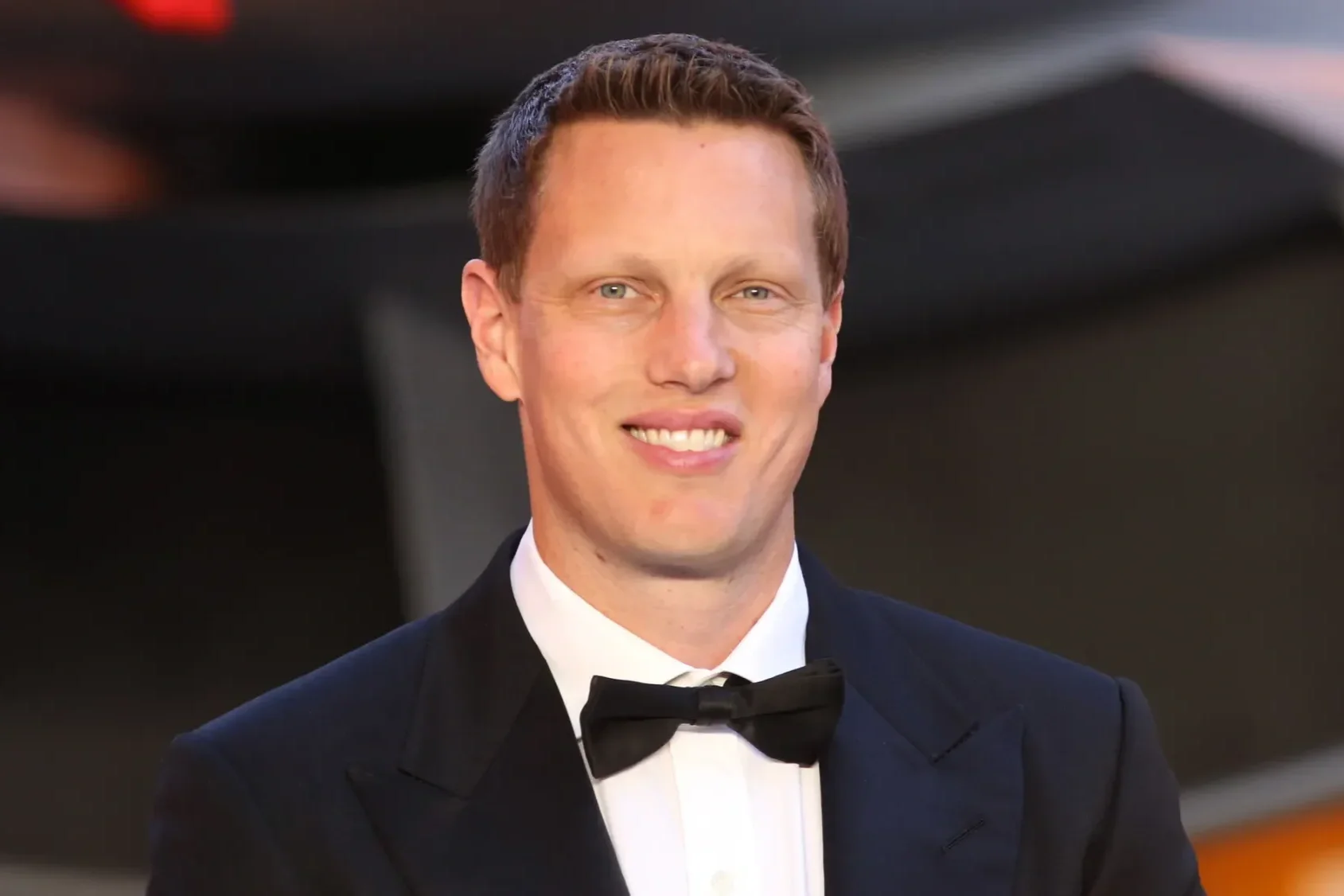
Paramount’s own ties to Trump have also drawn scrutiny. The company has connections through investor Larry Ellison, a longtime Trump associate, and his son David Ellison, founder of Skydance and the prospective CEO of a merged Paramount-Skydance entity. Paramount’s chief legal officer, Makan Delrahim, previously led the Justice Department’s antitrust division during Trump’s first term.
Concerns about political influence and corporate accountability intensified this week when a group of senators sent a letter to David Ellison requesting that he preserve documents related to Paramount’s dealings with Trump after declining to answer questions on the matter.
TRENDING NEWS