Major Hollywood Players Launch Anti-AI Campaigns, Includes Scarlett Johansson, Joseph Gordon-Levitt
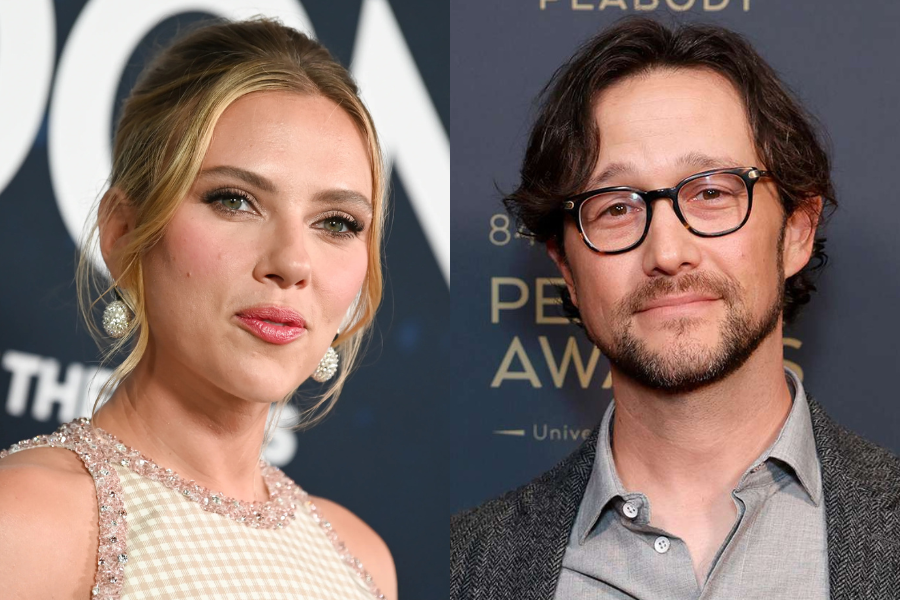
Courtesy of Getty Images.
A group of high-profile actors, musicians and authors — including Scarlett Johansson and Joseph Gordon-Levitt — are supporting a new campaign criticizing technology companies for training generative AI systems on copyrighted works without explicit permission.
The campaign, titled “Stealing Isn’t Innovation,” is being launched Thursday by the Human Artistry Campaign. It challenges what organizers describe as the large-scale, unauthorized use of human-created content to develop AI tools that may ultimately compete with professional creators.
The Human Artistry Campaign announced the initiative on Thursday, revealing backing from more than 700 creators and organizations. The launch is being supported by a national advertisement running in The New York Times.
Campaign messaging argues that major technology companies are seeking legal changes that would allow them to continue using creative works without authorization or compensation. The statement characterizes the practice as unlawful and harmful to American creators, calling on others to join the effort.
In addition to Johansson and Gordon-Levitt, supporters include David Lowery, Cate Blanchett, Fran Drescher, Jennifer Hudson, Kristen Bell, Michele Mulroney, Olivia Munn, Sean Astin and Vince Gilligan. Musicians such as Cyndi Lauper, LeAnn Rimes, Martina McBride and Questlove have signed on, along with bands MGMT, OneRepublic, R.E.M. and OK Go. Authors George Saunders, Jodi Picoult, Roxane Gay and Jonathan Franzen are also among the signatories.
The Human Artistry Campaign is a coalition of creator unions, artists’ rights organizations and trade associations, including the Writers Guild of America, the Recording Industry Association of America, The NewsGuild, the NFL Players Association and SAG-AFTRA.
The group is calling on technology companies to license creative works used in AI training and to give creators the ability to opt out of having their content included in generative AI datasets.
“Real innovation comes from the human motivation to change our lives. It moves opportunity forward while driving economic growth and creating jobs,” said Dr. Moiya McTier, senior advisor to the Human Artistry Campaign, in a statement. She warned that unauthorized use of creative works threatens artists’ livelihoods while generating significant corporate revenue, and emphasized licensing as a potential path to shared value.
She continued: “AI companies are endangering artists’ careers while exploiting their practiced craft, using human art and other creative works without authorization to amass billions in corporate earnings.”
So far, only a limited number of entertainment companies have entered into approved licensing arrangements for generative AI. The most notable example is Disney, which in December signed a three-year agreement with OpenAI to bring major characters to the video-generation platform Sora.
TRENDING NEWS