Jessica Harrop Talks Sandbox Films, Sundance, and the Future of Science-Based Documentaries
Interview by Nik Mohan | Written by Alexandra Paszek & Nik Mohan
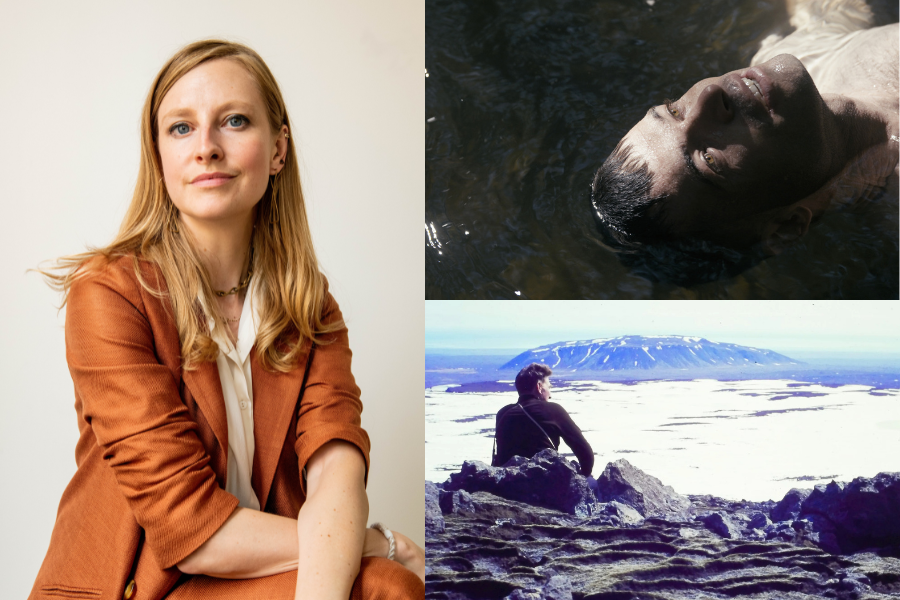
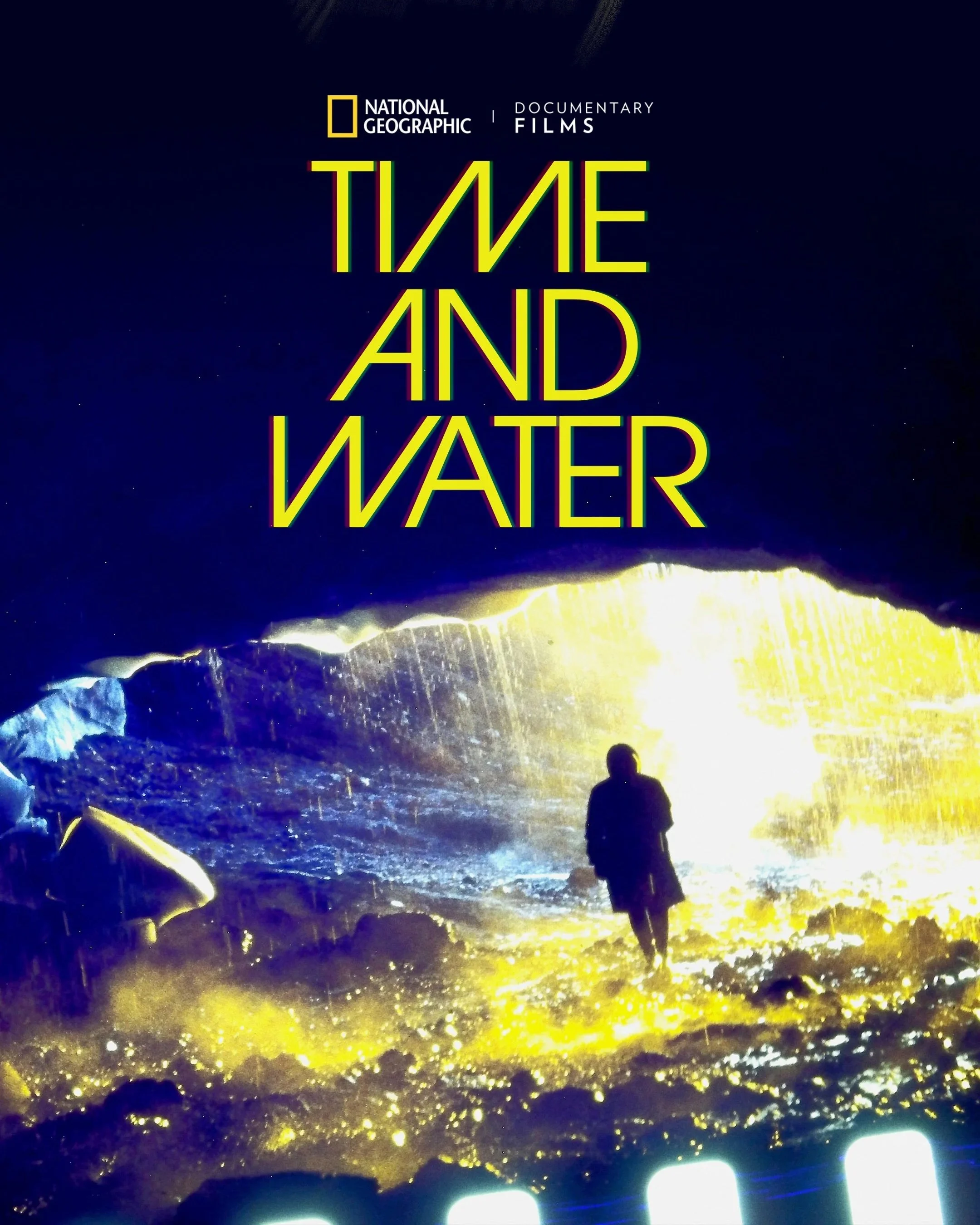
Left: Jessica Harrop, Top Right: ‘The Lake’ (2026), Bottom Right: ‘Time and Water’ (2026).
From January 22, 2026 – February 1, 2026, Utah’s Sundance Film Festival welcomed projects and people from across the globe at its 42nd annual event. Sandbox Films, an Oscar-nominated production studio focused on scientific documentaries, brought two new projects to the forefront: ‘Time and Water’ (dir. Sara Dosa) and ‘The Lake’ (dir. Abby Ellis).
Top Film spoke to Executive Director of Sandbox Films and Emmy & Peabody Award-winning documentary producer Jessica Harrop to talk about Sandbox’s latest projects and the importance of science through cinema.
Harrop’s credits as executive producer include ‘Fire of Love,’ Nocturnes,’ ‘All Light, Everywhere,’ and ‘Fathom.’
Congratulations on having two projects at Sundance this year. ‘The Lake’ (which won the 2026 U.S. Documentary Special Jury Award for Impact for Change) and ‘Time and Water.’ How exciting was it to bring these documentaries to Sundance — especially sharing these moments with filmmakers Abby Ellis and Sara Dosa?
Harrop: We had an incredible time. It was the first time Sandbox Films had two films at the festival—we were running around and just going from celebration to celebration, which was really special. Abby Ellis, this is her first feature. She's been working with us on it for over three years. It's one where we really were on from the very beginning—the development of it—and it was so exciting to see the story unfold in real time as the scientists and the politicians in the film learned more and more about what was happening with Great Salt Lake. And were able to document it and be inside the rooms where political decisions are happening in the state. To have the premiere culminate with Governor Spencer Cox of Utah coming to our Salt Lake Sundance screening and say that he is behind the film and going to make sure that the lake is saved… the next ten years is a pretty exciting thing. I think we were all just thrilled to see the governor show up for the project like that, and to have Leonardo DiCaprio come on board.
[Full answer in audio]
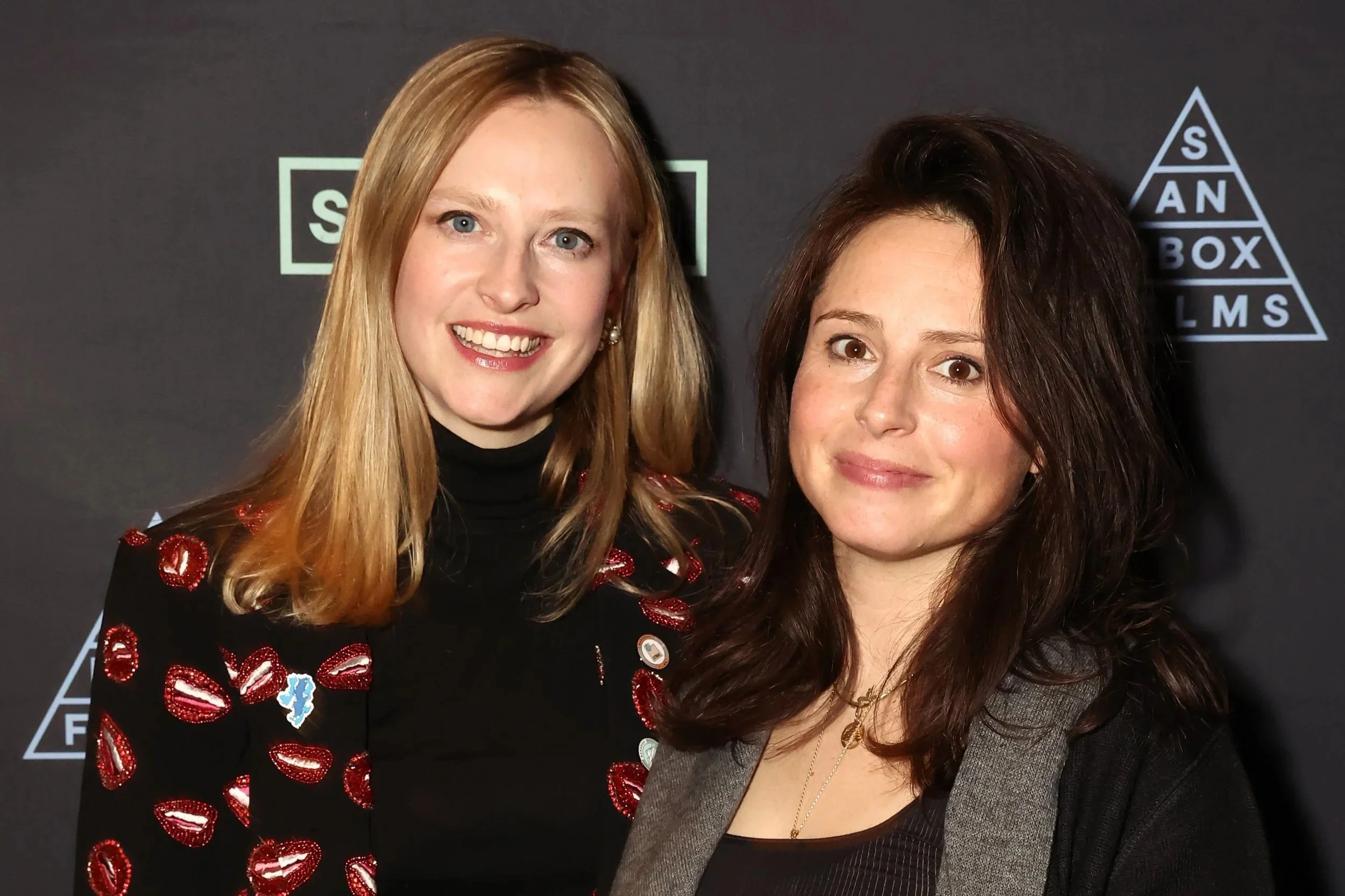
Jessica Harrop (left), director of ‘The Lake’ Abby Ellis (right).
You’re slated for the Copenhagen International Documentary Festival and very soon attending the Big Sky Documentary Film Festival. Since most audience members are from the location where festivals are being held, when you’re doing a festival circuit, do you see a difference in audience reaction to these science-based films according to location & geography?
Harrop: The audiences are different, you know? What I love about our films is that they both appeal to a cinema audience—people who love films that are unique and trying new things in the film language, as well as audiences that want to see films about the scientific process. So we're able to reach people who love science and also people who don't necessarily seek out science content but want to see something that's cinematic and beautiful.
[Full answer in audio]
You're the Executive Director of Sandbox Films and an award-winning executive producer. Sandbox was founded as an artist-first, mission-driven nonprofit. How did you become involved with the company? What gap did you see in the documentary ecosystem that made Sandbox feel like a necessary path in your career?
Harrop: I worked in science television for over a decade before starting at Sandbox Films. I was working on all of these science television shows that really sort of led with the scientific facts and figures and the answers. So often I think in science storytelling, you have a Voice of God Narrator that's telling you what science says. And they tend to be more didactic and educational in nature. We had this opportunity to start something that was really exploring the beauty of the scientific process and the questions that come up when you start thinking like a scientist, as opposed to just trying to teach answers. And so our films are really more cinematic—more director driven. We like to work with filmmakers that have a real point of view and want to do something that's more creative than typical science educational storytelling.
[cont’d] Sandbox Films officially launched in twenty-twenty. I started working at the company before it was a company in twenty-nineteen. And yeah, it's been a really sort of an incredible seven years of figuring out what kinds of these artistic, creative science films are appealing to audiences.
Projects such as ‘Fire of Love’ feel deeply personal and so refreshing, like I was being immersed into the world. How does one even begin to translate science into a more human story and digestible story for an audience?
Harrop: We think about science as this art of asking questions. We think of it as an iterative process. You know, you you discover something, and then that just leads to more questions. And the process of discovery is really beautiful and sort of never ending. When you communicate science as this process, it allows for so much more creativity in how you're talking about it… For something like ‘Fire of Love,’ that film explores the journey of these two people and their lives and it opens up the humanity of their love story and their lives, and it lets you see that what's so exciting about science—the process of collecting the data and trying to understand what you don't know, and we don't give that many volcano facts in that film. But I think that people who watch that film immediately want to go learn more about volcanoes.
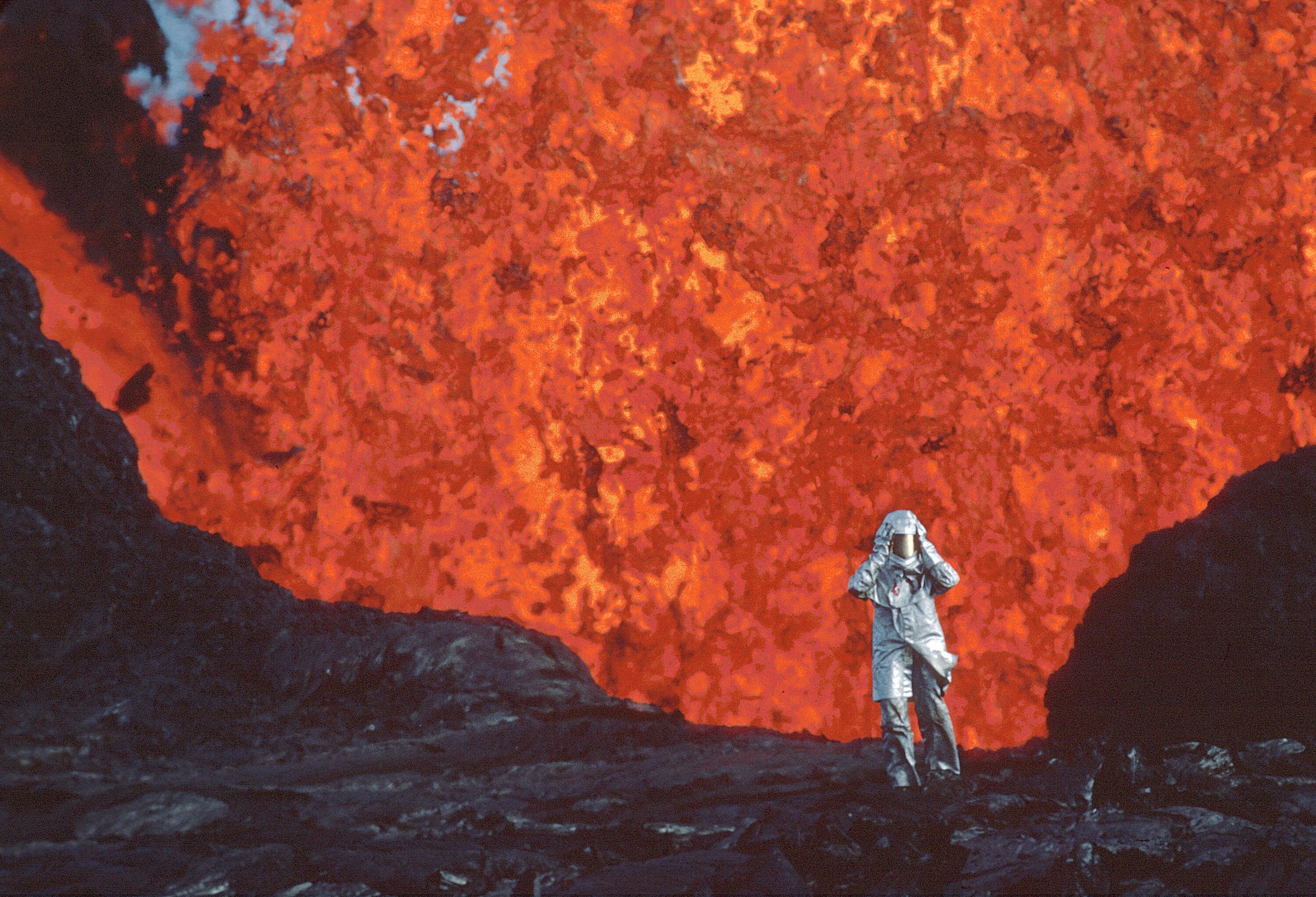
‘Fire of Love’ (Sandbox Films / National Geographic, dir. Sara Dosa, 2022)
[cont’d] I went and visited a volcano about a year after ‘Fire of Love’ was launched, and I had a ‘Fire of Love’ pin on my backpack. And a couple came up to me and they said, oh, we love that movie. We saw that movie. And I told them I'd worked on it and they said, well, we planned this trip to go visit a volcano because we saw the film. And I think that if they had just seen a film about the science of volcanoes, they wouldn't have thought it was a romantic and fun activity to go plan a trip. And so that's really what we want our films to do; is to immerse people and make them feel something that's related to the scientific process.
Many Sandbox projects feel personal. How do you support filmmakers in maintaining a strong artistic voice while engaging with complex science — in relation to something ecological and environmental like ‘The Lake’ and ‘Time & Water’?
Harrop: We are a studio that really offers a lot to the artists that we work with. Caitlin Mae Burke is our Head of Production [and Development], and she and I act as creative executives on all of our films. We give a lot of notes. We really help protect the filmmakers vision because we have financing for our projects. We don't necessarily have to take them to distributors right away. We can help our artists really find those unique voices and sort of maintain their their unique voices throughout the process, before taking them to a distributor that might want them to be more commercial or less creative. And then we also have a studio here where we offer post-production support. We have an Atmos theater. We can do sound. We did ‘The Lake’s’ sound mix here at our studio. So we have different creative ways that we allow filmmakers to sort of play and try new things. Abby Ellis also was part of a rough cut retreat that we ran here earlier this year. So we really try to provide different kinds of support for the artists that we work with.
What responsibility do filmmakers have — and what don’t they have — in a time when science is increasingly politicized and misunderstood?
Harrop: I think that it's more important than ever for people to see scientists as humans that are passionate and that are trying to solve problems and to sort of demystify what scientists are doing. I think the more you understand their process, the less scary science becomes. And people are taught that science is something that only smart people can understand or that people are saying when they're young; science, it's not for me. And I think the more people see that it's actually this beautiful human process that's full of adventure and passion and excitement, the more they'll come to appreciate and understand what science is, which is just so important right now.
Harrop also noted around twenty current projects in development for Sandbox Films, ranging from neuroscience to tech-life advancements. This means nine or ten films could possibly premiere in 2026.
TRENDING NEWS