Paramount-Warner Bros. Mega-Merger Faces Blockbuster Legal Battle From 12 US States
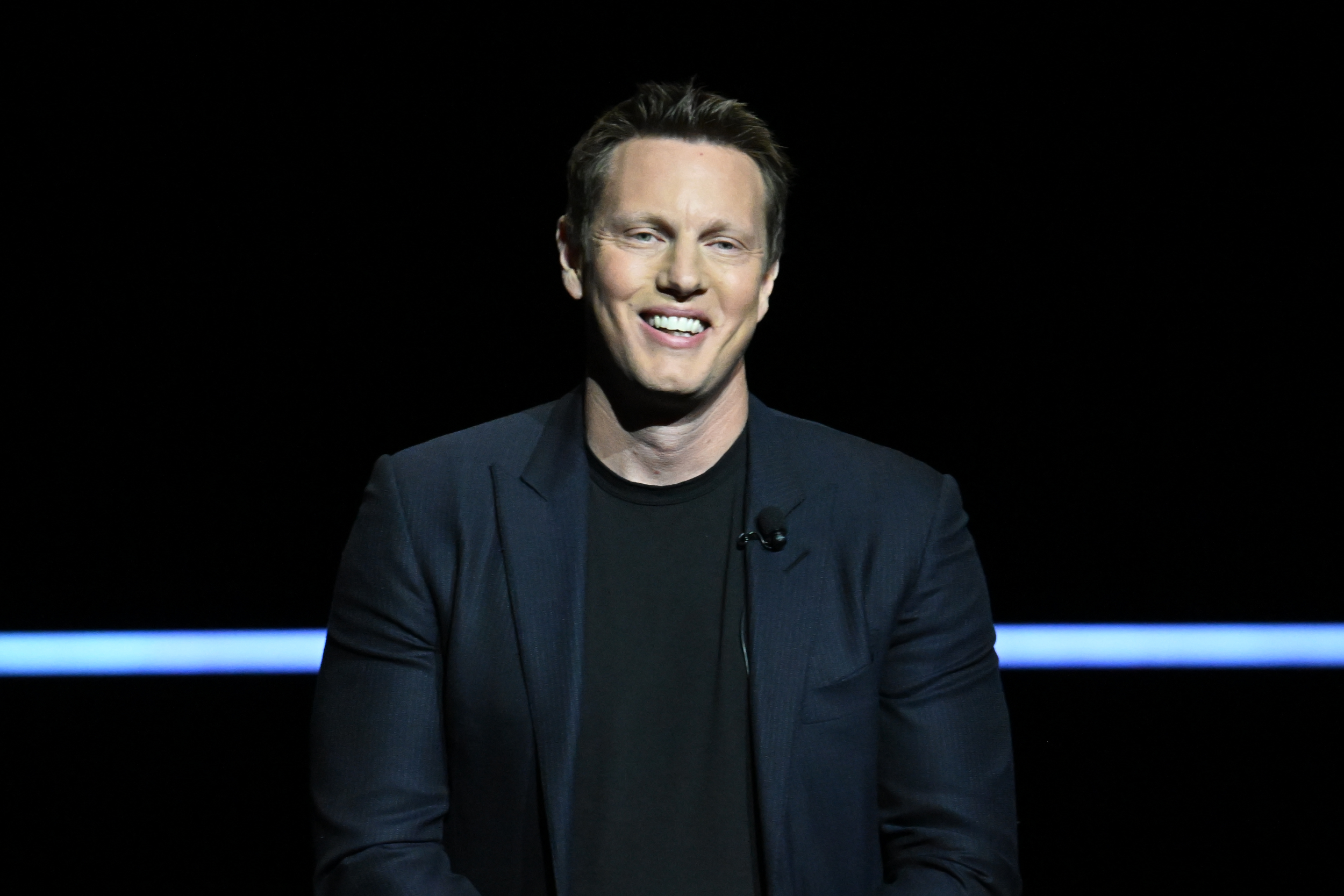
Courtesy of Getty / The Academy.
Hollywood’s biggest proposed merger has just entered its courtroom-drama era.
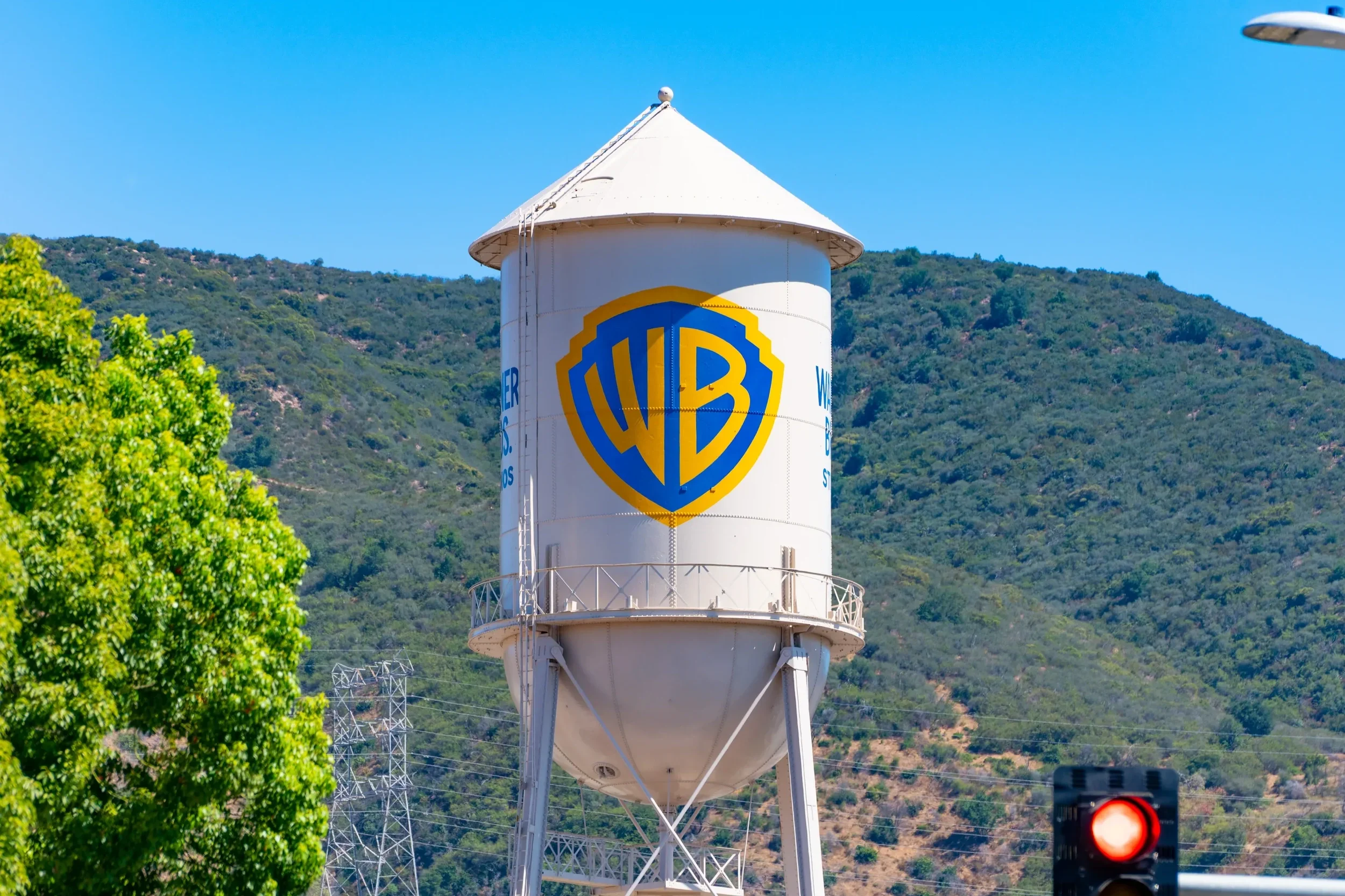
A coalition of 12 US states is suing to block Paramount Skydance’s $110 billion takeover of Warner Bros. Discovery, arguing that the historic deal would create an entertainment superpower capable of raising prices, crushing competition and giving audiences fewer choices.
California is leading the legal charge — fittingly, given that both Paramount and Warner Bros. have called the state home for more than a century.
Should the deal go ahead, Paramount and Warner Bros. would together control approximately 27% of the major theatrical film market. Alongside Disney, Universal and Sony, just four companies would be responsible for 86% of wide-release movies in the United States. The combined company would also control almost a third of the country’s theatrical and basic cable markets.
In other words, two of Hollywood’s oldest rivals would become one enormous studio.
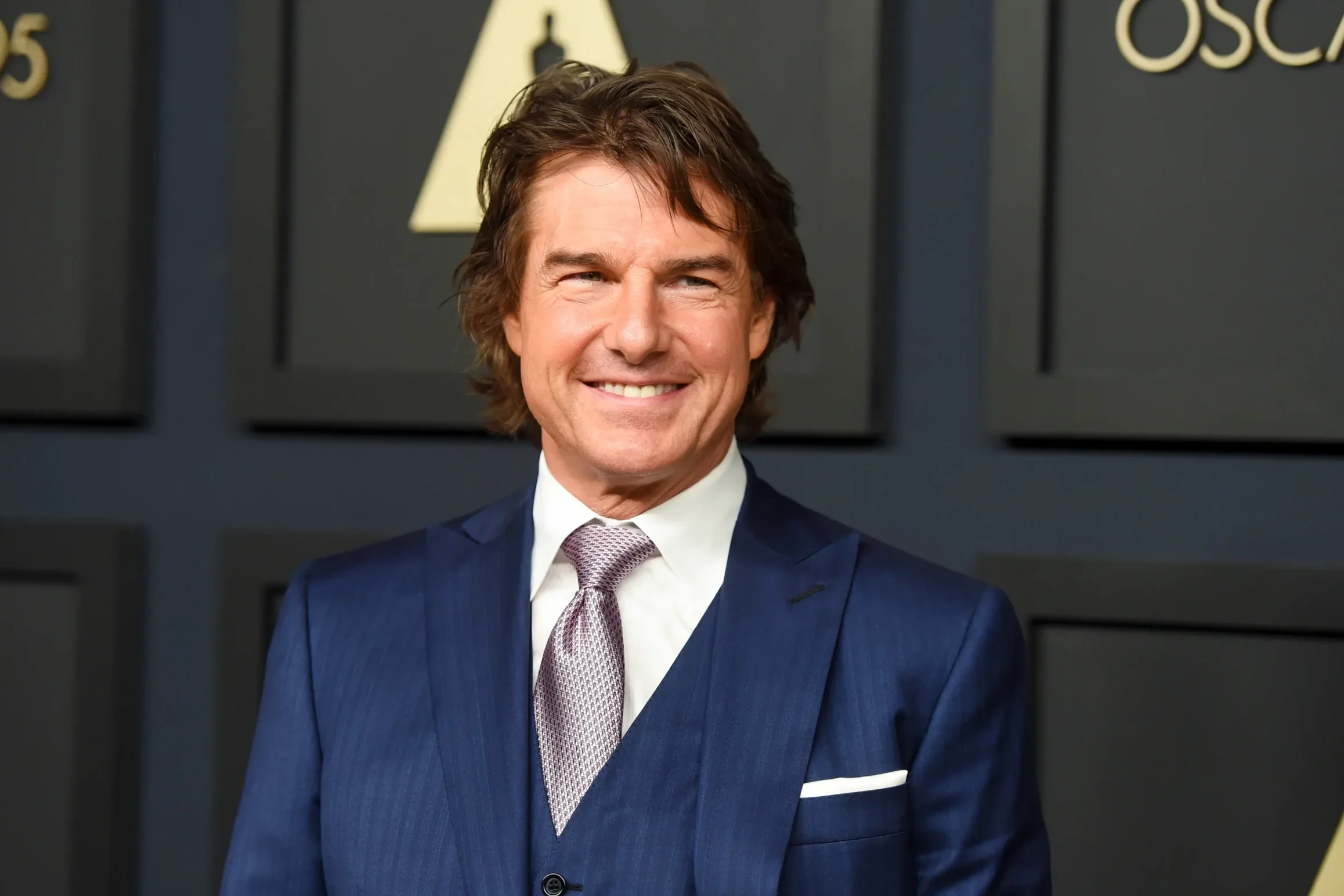
The deal would place franchises including ‘Harry Potter,’ ‘Batman,’ ‘Mission: Impossible’ and ‘Top Gun’ under the same corporate roof, alongside television brands such as CNN, MTV and Nickelodeon.
It would also bring an end to more than a century of competition between two studios responsible for some of cinema’s most recognisable films. Paramount’s catalogue includes ‘The Godfather,’ ‘Titanic’ and ‘Transformers,’ while Warner Bros. has released everything from ‘Casablanca’ and ‘The Matrix’ to ‘Barbie’ and ‘The Lord of the Rings.’
But the battle is not staying inside the courtroom.
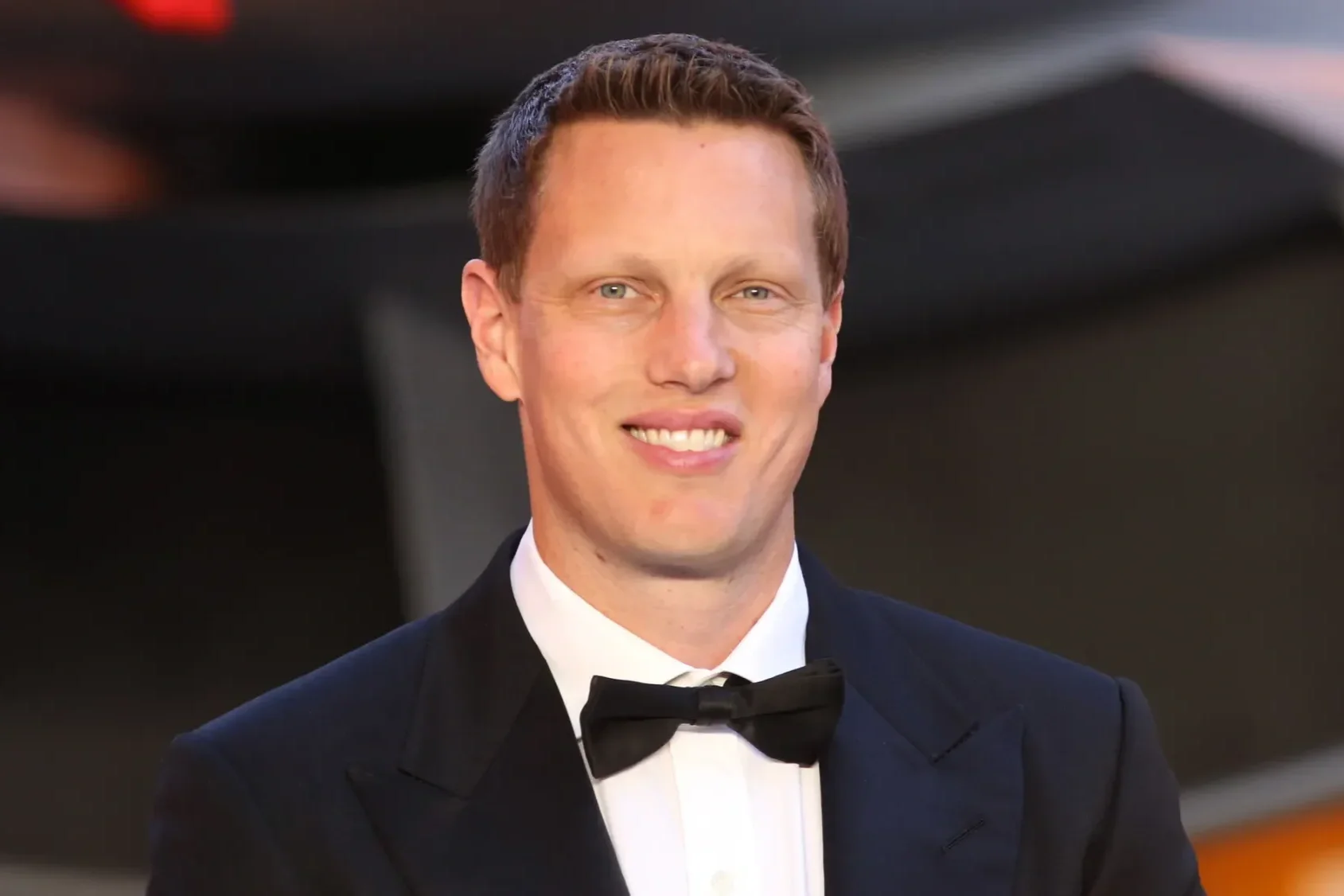
David Ellison, the controlling owner and chief executive of Paramount Skydance — and the son of technology billionaire Larry Ellison — has reportedly been advised to consider moving Paramount’s operations out of California.
The lawsuit represents a major obstacle for the merger, despite the US Department of Justice clearing the transaction in June. The coalition of state attorneys general has asked Paramount and Warner Bros. not to complete the deal until the judicial process has concluded.
Should the companies refuse, the states have threatened to seek a temporary restraining order to prevent the merger from moving forward.
The legal challenge focuses on three areas: wide-release theatrical films, major blockbusters and basic cable television channels.
According to the states, the disappearance of competition between Paramount and Warner Bros. would strip cinemas and television distributors of vital negotiating power.
Currently, if Paramount demands unfavourable licensing terms, a cinema chain or cable provider can turn to Warner Bros. — and vice versa. If the two studios become one company, that alternative disappears.
The lawsuit argues that the combined business could therefore demand higher distribution and licensing fees. Those costs could eventually be passed on to audiences through more expensive cinema tickets, higher cable bills and a smaller selection of films and television programming.
Paramount believes the states have misunderstood the realities of the modern entertainment business.
The traditional Hollywood system is under enormous pressure. Cable audiences continue to shrink, cinema attendance remains unpredictable and legacy studios are competing with global technology and streaming giants that operate at a scale few established entertainment companies can match.
Supporters of the deal argue that combining Paramount and Warner Bros. would not destroy competition but give the studios the size and resources needed to survive it.
The company also warned that delaying the merger could harm entertainment workers who have already endured years of disruption, declining production and job losses across California.
For now, Hollywood’s largest-ever merger remains caught between two competing stories: one in which Paramount and Warner Bros. join forces to survive a rapidly changing industry, and another in which their union gives a single company far too much control over what audiences watch — and how much they pay to watch it.
TRENDING NEWS