Netflix’s Bid for Warner Bros. Discovery Sparks Industry Alarm: Streamer Would “Hold a Noose Around the Theatrical Marketplace”
Written by Shalini Mohan
Courtesy of Netflix.
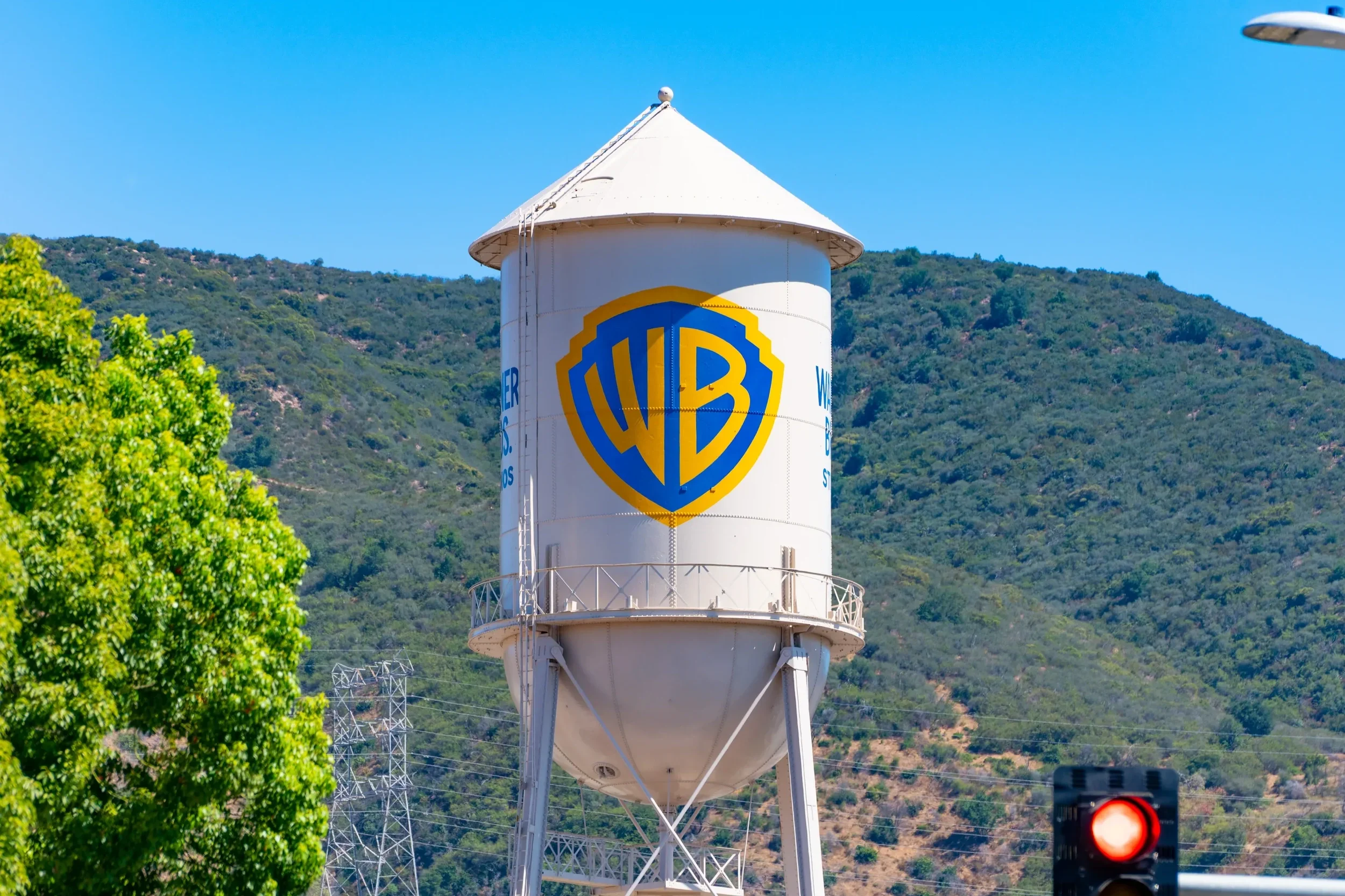
A coalition of major Hollywood insiders has issued an urgent open letter to Congress, warning of a potential economic and institutional crisis in the film industry should Netflix succeed in acquiring Warner Bros. Discovery.
The letter, emailed Thursday to lawmakers from both parties, came from an anonymous group calling themselves “concerned feature film producers.” They explained that their anonymity stemmed not from fear but from the risk of retaliation, citing Netflix’s substantial influence as both a buyer and distributor. Neither Netflix nor Warner Bros. Discovery offered comment. The group includes several prominent filmmakers.
The message outlines three primary concerns, most notably the possibility that Netflix could “destroy” the theatrical marketplace by drastically reducing — or eliminating — the exclusive window Warner Bros. films receive in theaters before moving to a combined Netflix–HBO Max platform.
Earlier Thursday: Netflix’s proposal includes an exclusive theatrical run as short as two weeks. Another insider disputed this characterization, insisting the window would be longer. Rival bidders Comcast and Paramount both operate major theatrical distribution pipelines; Paramount has specifically pledged to maintain Warner Bros. as a standalone studio producing at least 14 theatrical films annually.
According to the producers, Netflix could “effectively hold a noose around the theatrical marketplace,” wielding enough market power to shrink the overall theatrical footprint and depress the value of post-theatrical licensing.
The letter also cites numerous occasions on which Netflix co-CEO Ted Sarandos has stated that Netflix’s model is not tied to movie theaters — including a 2023 earnings call where he remarked, “Driving folks to a theater is just not our business.”
The group urges members of Congress to publicly oppose the acquisition and to subject any potential deal to the highest level of antitrust scrutiny, emphasizing that millions of jobs and a vital cultural art form are at stake.
This development follows a weeks-long bidding battle involving Netflix, Paramount Skydance, and Comcast. Paramount Skydance, led by new studio chief David Ellison, sought to purchase the entire Warner Bros. Discovery organization in an all-cash deal, while Netflix and Comcast limited their bids to the studio and streaming assets. Bloomberg first reported Netflix’s exclusive negotiation window.
The move represents a major strategic shift for Netflix, which for years resisted acquiring legacy Hollywood assets. Co-CEOs Sarandos and Greg Peters have long argued that the company’s growth did not depend on owning a vast traditional content library. However, the opportunity to gain Warner Bros.’ extensive film and TV catalog — as well as the esteemed HBO brand — proved too compelling. Even so, any agreement will face a challenging regulatory path, given the unpredictability surrounding the Trump administration’s approach to antitrust issues. The Directors Guild of America and Cinema United, the exhibition trade association, have both warned that a Netflix–WBD merger could severely damage theatrical moviegoing.
This latest twist follows months of speculation and industry anxiety about WBD’s future. Ellison’s Paramount was the earliest and most aggressive bidder, offering roughly $27 per share for the entire company. Netflix and Comcast joined later, intensifying the competition.
The highest bids were submitted Monday. On Thursday, Paramount escalated tensions by accusing Netflix of impropriety in the bidding process, alleging conflicts of interest among WBD management tied to potential post-transaction roles and compensation. Paramount’s Monday offer reportedly included financial backing from three Middle Eastern sovereign wealth funds.
Warner Bros. Discovery itself was created in 2022 through a rushed merger of AT&T’s WarnerMedia and Discovery Communications. Before Ellison’s unsolicited October offer, CEO David Zaslav and the WBD board had planned a corporate restructuring to address the company’s declining stock price by spinning off the Warner Bros. studio and HBO Max from its cable networks (CNN, TNT, TBS, etc.). The spinoff was projected to close by mid-2026. Ellison had already been eyeing a WBD acquisition to bolster Paramount’s scale, but the proposed divestiture forced a faster move.
If Netflix ultimately acquires WBD, it would represent a seismic shift in the entertainment landscape. Netflix, the dominant force in paid streaming, currently commands a $437 billion market cap — far exceeding Disney’s $190 billion valuation.
The reaction to the potential buy has been especially intense among producers and theatrical exhibitors, who view Netflix’s strategic priorities as a direct threat to the future of moviegoing. Still, sources close to Netflix cautioned against drawing conclusions during an ongoing bidding war, saying the company would naturally reassess its theatrical approach if it acquired a global distribution-focused studio like Warner Bros.
TRENDING NEWS