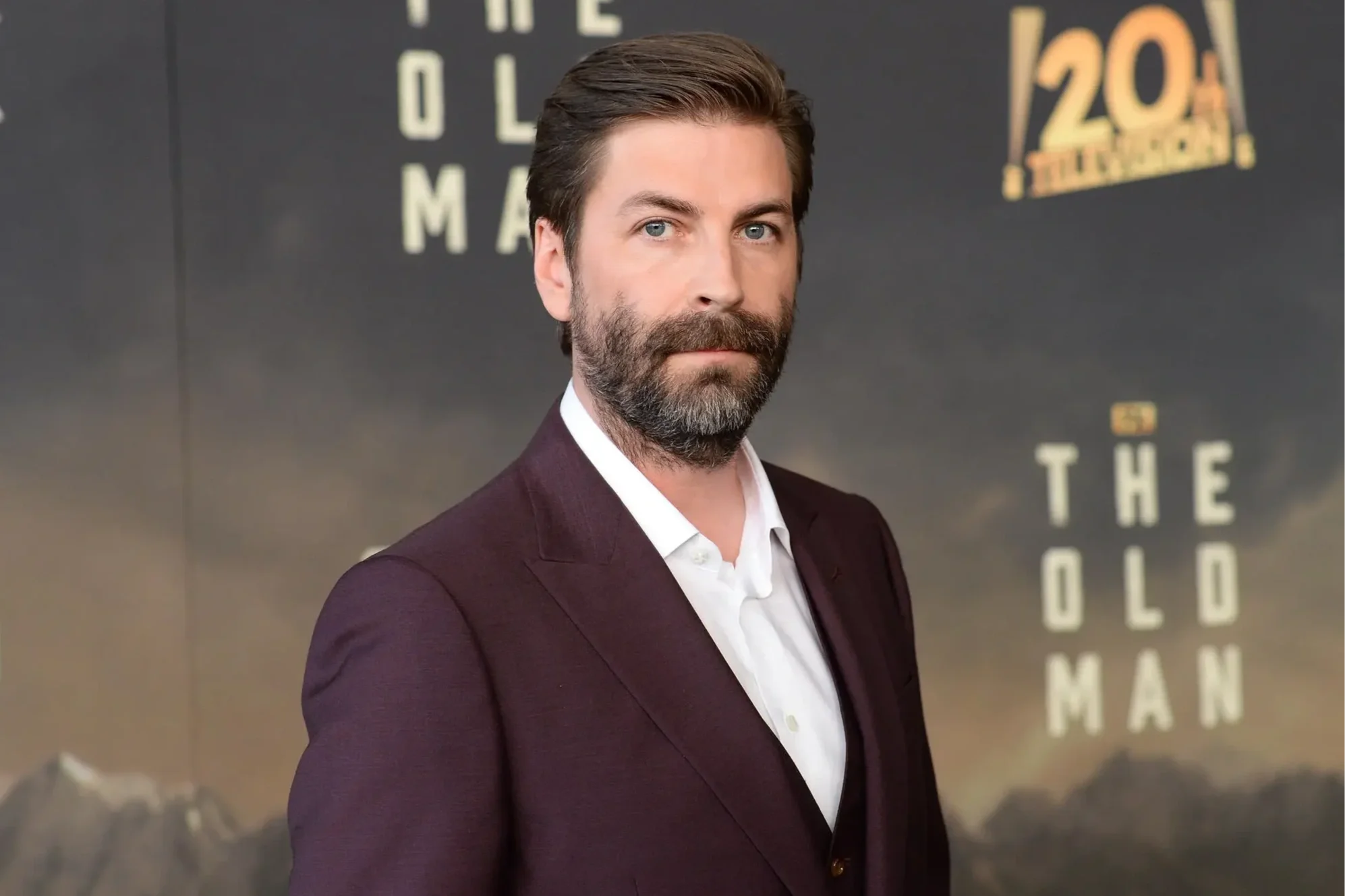
‘Gaslit’ Director Katie Camosy on Jane Fonda, Fossil Fuel Country and the Fight Against “Sacrifice Zones”
Interview by Nik Mohan | Written by Alexandra Paszek
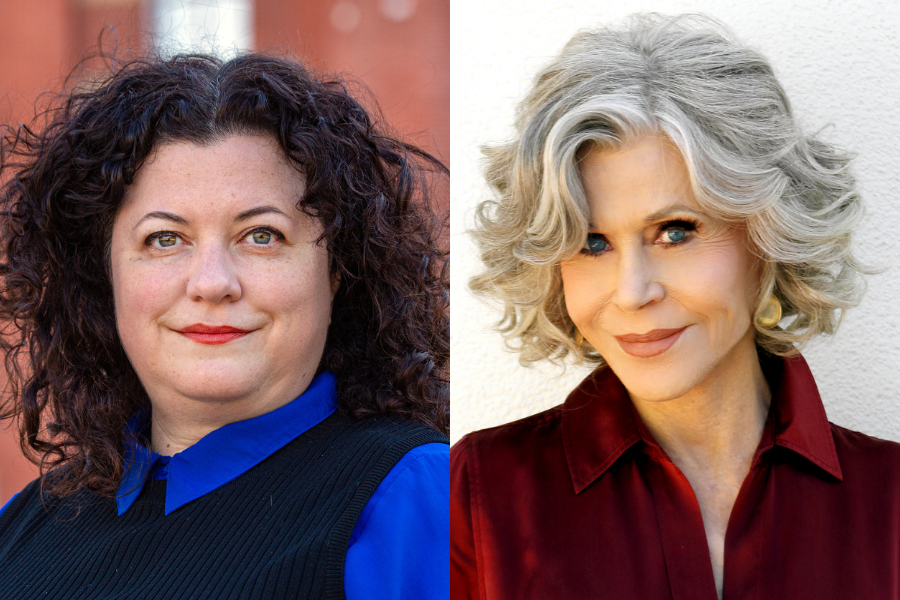
Courtesy of Tim Aubry / James Franklin.
In ‘Gaslit,’ director Katie Camosy follows Jane Fonda into the heart of America’s fossil fuel boom, tracing a road trip through Texas oil fields and Gulf Coast communities where the climate crisis becomes personal. Coming off a Best Documentary win at the Santa Barbara International Film Festival, the film pairs Fonda’s longtime activism with the voices of shrimpers, ranchers, former oil workers, faith leaders, organizers and reluctant activists confronting the expansion of LNG, petrochemicals and plastics production.
Ahead of the film’s New York premiere on June 12, Top Film spoke with Camosy about embedding with communities on the frontlines, the complexity of fossil fuel country, and what telling a climate story really means.
You’ve worked with Greenpeace for about 10 years, met people impacted by the oil industry and climate change. I understand a lot of work you did was in short form content for social media. Of course short form content comes with limitations of how much you could show. How did you come to the decision to pitch a documentary to Greenpeace?
Katie: I’ve been working with Greenpeace—like you said—for about a decade, doing short form. But once we started collected these stories from the Gulf Coast, I knew this needed to be a feature and not a series or one-offs. These are fairly complicated issues, so there’s a lot of jargon from the industry — there’s some science involved. So when we go to the Permian Basin in Texas, most people don’t know what that is, and when we’re talking about LNG you have to explain what is LNG [Liquefied Natural Gas]. By making it long-form we were able to dive a lot deeper.
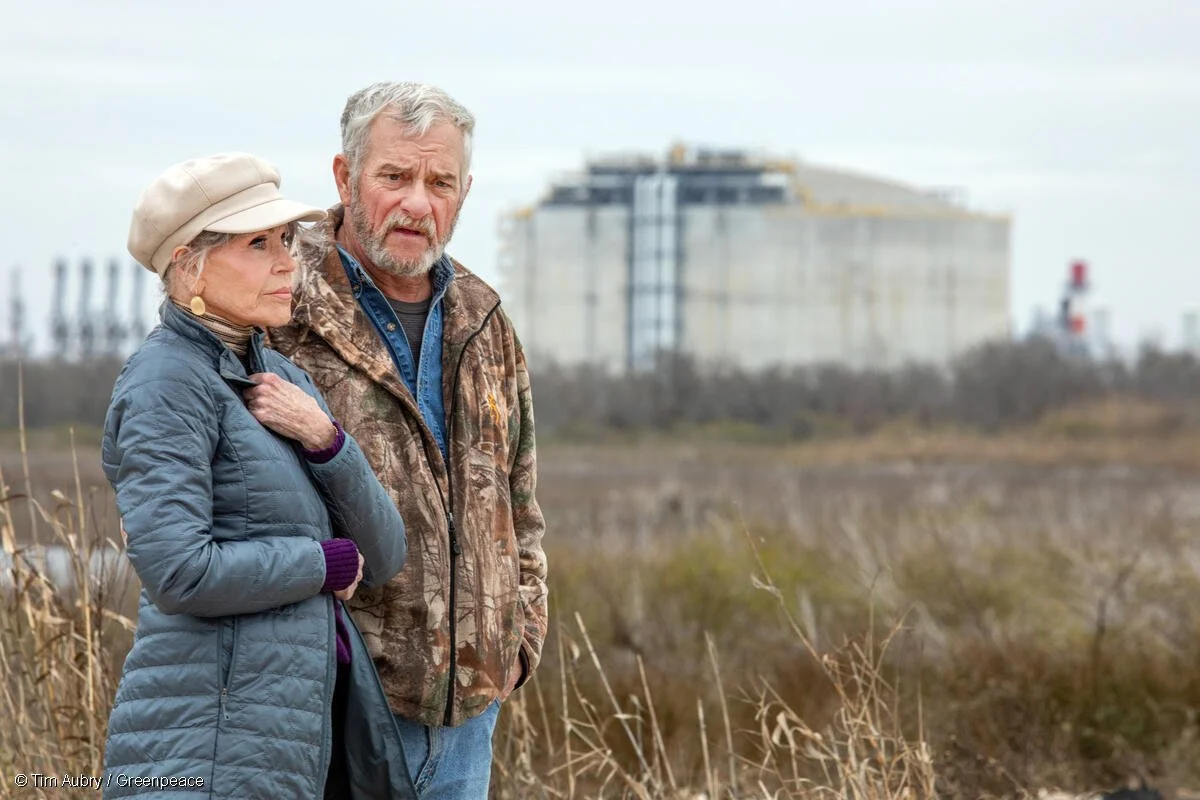
Jane Fonda & John Allaire in Louisiana. Courtesy of Tim Aubry / Greenpeace.
Katie: For ‘Gaslit,’ we start in Texas in the oil and gas drilling fields, then we go down to the coast of Texas and Louisiana. We even go over to Germany to where a lot of this gas is exported. Being able to show the geopolitics—which is affecting every individual in the film—is really important. Otherwise people don’t get the full story.
You went down to Port Arthur in Texas among other locations and saw these enormously dystopian looking refineries, like something out of ‘Blade Runner.’ When you talked to the people in these affected communities, it seemed like they were very willing and open to tell their stories. As a filmmaker, how did you go about connecting their stories and their experiences to the screen in a way that would translate well with audiences that don’t understand what life is like in these areas?
Katie: We kept thinking of movies. You mentioned ‘Blade Runner,’ a movie I love. Talk about Mordor, you hear Sharon Wilson compare it to ‘Mad Max,’ and at one point she said some of it looks like ‘Dune.’ I think we kept reaching for these cinematic metaphors because it feels dystopian and it doesn’t feel like our country if you don’t live near this stuff. What will really stick with people are the stories. We decided pretty early on that we were gonna tell this story through people that live and work next to this industry every day. You don’t see us speak to experts elsewhere — the people who live there are the experts of what’s happening and what needs to be done.
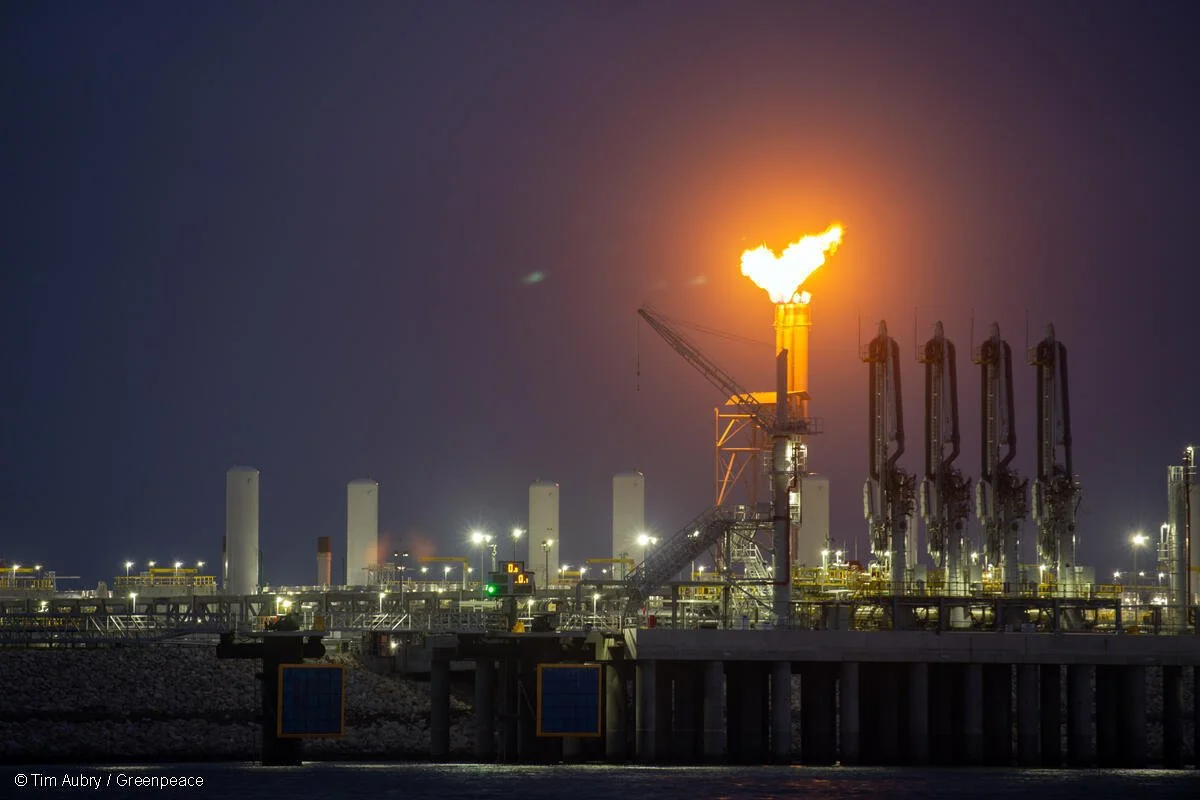
Courtesy of Tim Aubry / Greenpeace.
Katie: You’ll see unlikely allies in here. You’ll see people from across the political spectrum. You’ll see shrimpers and ranchers — people that don’t always agree with environmentalists on everything. But they all agree on this.
Jane Fonda is a highly recognized political and social activist. Why was she the right guide for this journey and did her presence change the conversations people were willing to have on camera?
Katie: Jane is the real deal. I’ve been working with her a few years, been a fan of her activism for much longer. She knows these issues inside-out. She really walks the walk, talks the talk. She lives and breathes climate work. We knew that she would get it and really be able to bring a lot more understanding to the audience. The people in the film [in the Gulf], a lot of them have the feeling that nobody is paying attention. They’re trying to get the word out. To have someone like Jane Fonda listen to you really means a lot, so people would get emotional, people would get excited. Some people that weren’t sure if they wanted to come on camera, I’m sure it helped to have Jane there. Really it wasn’t her celebrity, it was her empathy and the way she listens, and just her deep understanding of these issues.
This brings me to the title. ‘Gaslit’ has two meanings — one literal and one being “gaslighting” as if the corporations are gaslighting us. Was that your intention with the title?
Katie: Absolutely. There’s a lot of gaslighting going on here. The companies, these huge mega-billion companies have huge marketing campaigns. They’re getting their messaging out there in a way that’s harder to compete with. I’m hoping the film can give the other side of that. Everyone in the film that we spoke to, for example Travis; the fisherman in New Orleans, or Manning Rollerson in Freeport — when the industry comes in they make a lot promises. They talk about tax dollars coming in, they talk about good jobs. From everyone I’ve spoke to we found that their were holes in those promises. Permanent jobs are not given to people in the community. The tax dollars is not going to offset what’s happening in Corpus Christi, Texas right now with a huge water shortage. This film is another side of the story that you’ve not seen from the industry, and from the politicians who are supported by that industry.
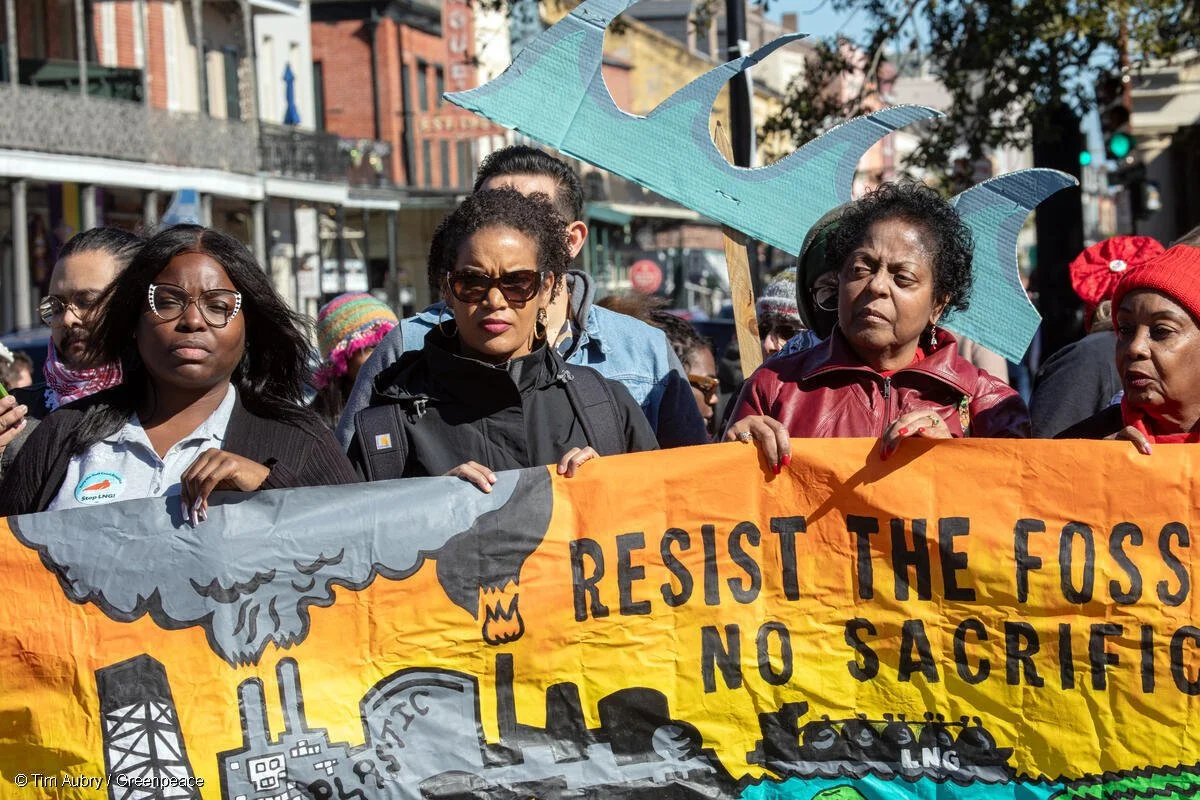
Courtesy of Tim Aubry / Greenpeace.
The chairman of the Carrizo-Comecrudo tribe of Texas said something that really stayed with me: “531 years ago they came here, invaded this land, took all the resources to take it overseas. 531 years later, they’re still doing the same, but now with fossil fuels.” What impact does a statement like that have on you as a filmmaker — and did any of your subjects deepen your perspective on the effect the oil industry is having on a wide scale?
Katie: Thank you for pulling up that quote. This idea was really powerful to me. We started in this area in west Texas, oil and drilling fields, and I was really surpised to learn that everything they’re drilling—every hydrocarbon is being exported to other countries. And there’s a lot of issues with that. The fact that it’s fracked gas, they’ve banned fracking in Europe. This is a version of colonialism. Europe is taking our resources for themselves and then we are stuck with the damages to our health, to our land. The only difference we see is that it raises our energy bills, things cost more in the grocery store. Unless you’re an owner or stockholder of one of these companies, you’re not seeing any benefits in that. It’s a really powerful statement, and from an Indigenous person it’s definitely something that we should listen to.
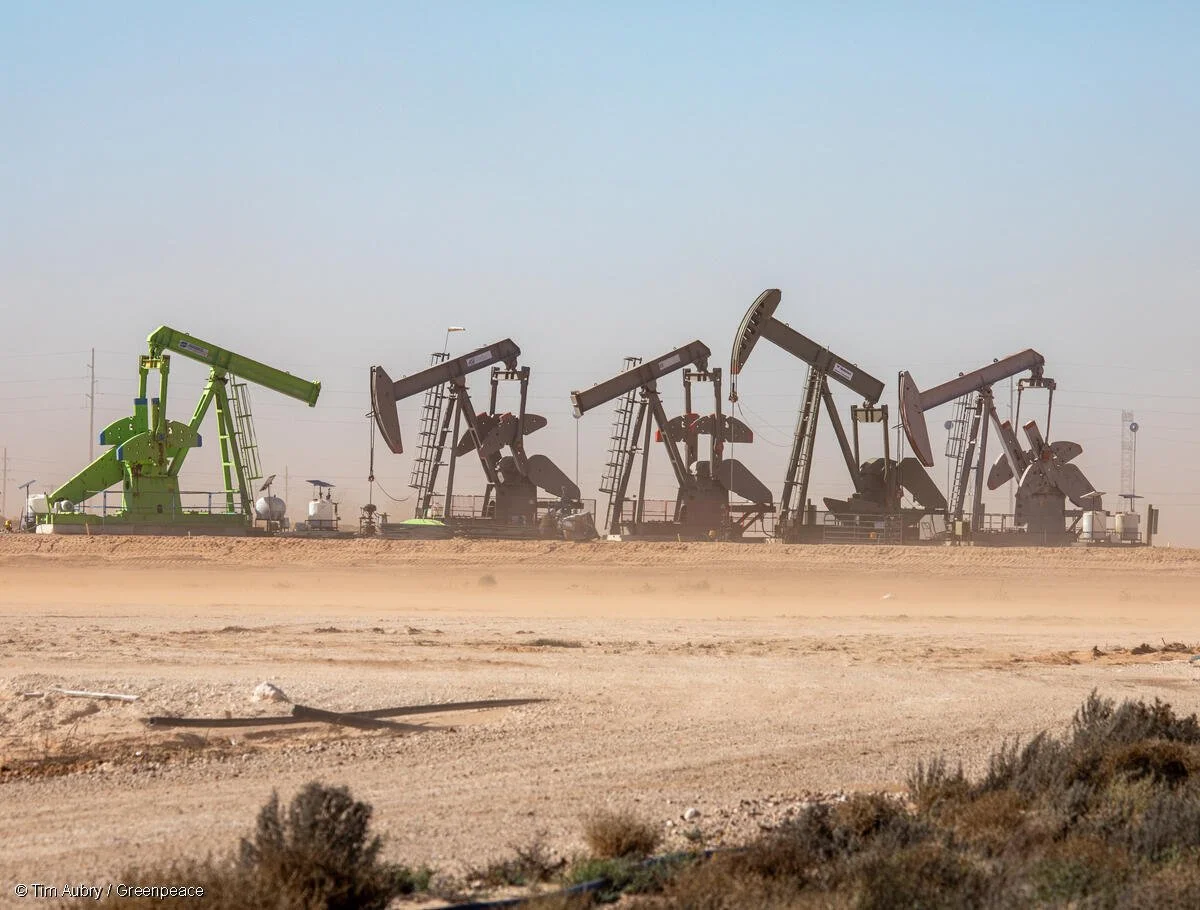
Courtesy of Tim Aubry / Greenpeace.
‘Gaslit’ is less a film about policy than about people: the communities asked to absorb the cost of a fossil fuel future they did not choose, and the unlikely alliances forming in response. Camosy’s documentary uses Fonda’s journey as an entry point, but its force comes from the residents, workers and organizers who refuse to let their homes become sacrifice zones. At a time when climate stories can feel impossibly vast, ‘Gaslit’ argues for the power of witness, solidarity and local resistance, listening closely to those already living on the frontlines.
MORE NEWS