Star Wars: What Went Wrong With ‘The Mandalorian & Grogu’
Courtesy of Lucasfilm / Nicola Goode.
Does Disney still have a ‘Star Wars’ problem?
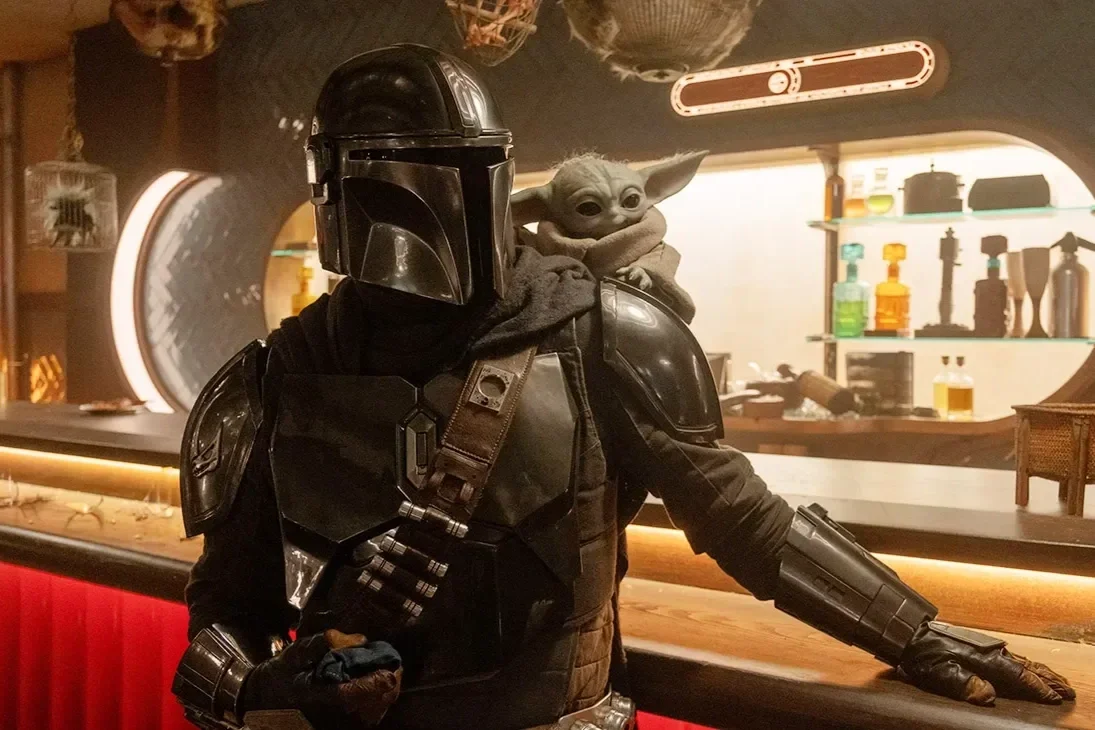
For a while, ‘The Mandalorian’ looked like the future of ‘Star Wars.’ It was lean, emotionally simple, reminiscent of old school Westerns (with a space-twist): a lone gunslinger protecting a mysterious child. At a time when the sequel trilogy divided the fanbase, Din Djarin and Grogu (aka., Baby Yoda) seemed to offer Disney and Lucasfilm a sliver of the Star Wars franchise that almost everyone could agree on.
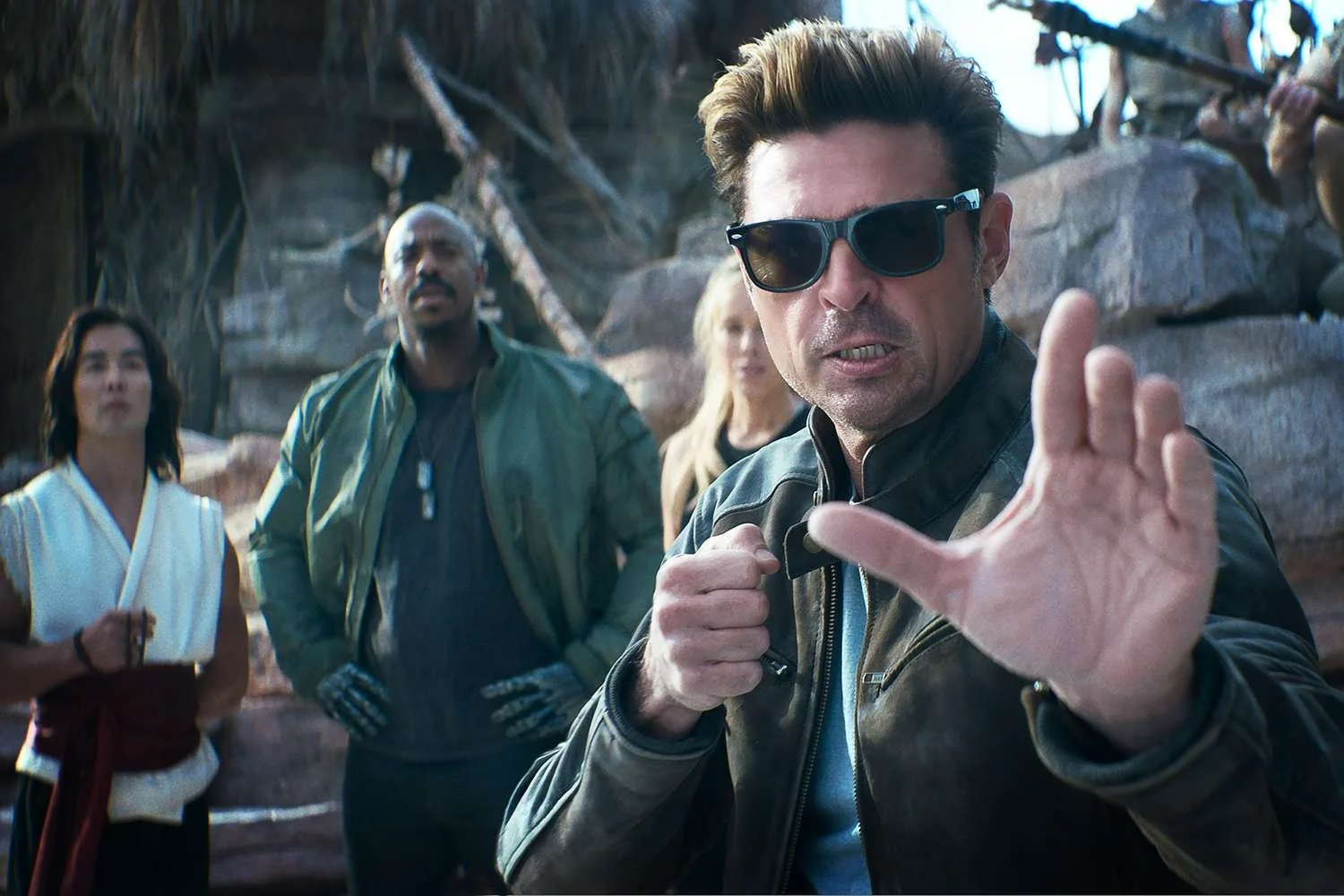
This brings us to ‘The Mandalorian & Grogu,’ which is the new Lucasfilm theatrical release that should’ve felt more like a victory lap instead of awkwardly questioning why the first Star Wars movie in seven years feel less like a triumphant return to cinemas and more like a cautious piece of brand management?
The immediate issue is box office perception. The film was tracking for roughly an $80 million-plus domestic launch over the four-day Memorial Day weekend, with global estimates around $160 million to $170 million. Those numbers are not disastrous in ordinary blockbuster terms, and the film is not expected to lose money. When a theatrical Star Wars release is being discussed in terms of whether it can avoid embarrassment rather than if it generates fandom conversation, something is clearly wrong.
The deeper problem is that ‘The Mandalorian & Grogu’ appears to have inherited the strengths of the Disney+ series without solving its weaknesses. On television, the show’s episodic structure was part of its charm. Din and Grogu could drift from planet to planet, meet strange allies, fight a monster, help a random village, collect a few clues, and scram. That rhythm felt casual, almost old-fashioned. This is the fundamental issue: a movie needs escalation, and fast. Several early reviews and industry pieces have pointed to the same problem… the world (or rather, galaxy) feels small, and functioning more like a TV episode rather than cinematic work. The Associated Press described it as a clumsy big-screen debut with limited stakes, while The Washington Post noted the muted enthusiasm around a film aimed largely at viewers already invested in the “Mando-verse.”
Lucasfilm treated popularity as portability. Because ‘The Mandalorian’ worked on Disney+, the assumption seemed to be that the same characters could simply be moved into cinemas and produce the same excitement. But television affection does not automatically become theatrical urgency. A streaming audience may enjoy watching Grogu from the sofa but that doesn’t mean the broader public sees his next adventure as an unmissable cinema event.
Now comes the issue of timing. ‘The Mandalorian’ was freshest when it felt like an antidote to overcomplicated franchise storytelling. Its first season had a beautiful simplicity: protect the child. But as the wider Disney+ Star Wars ecosystem expanded, the show became more entangled in lore, cameos and set-up. The return of Grogu to Din after the emotional season two finale also softened one of the series’ most powerful choices. What had seemed like a heartbreaking separation was quickly reversed, making the story feel less consequential. By the time the characters reached the big screen, they were beloved but no longer surprising.
The original Star Wars trilogy worked because they felt like decisive chapters in a grander story. Even the prequels, whatever their flaws, had a huge tragic arc. ‘The Mandalorian & Grogu,’ by contrast, exists because the franchise needs a release slot, not because the story demanded a movie. The Guardian’s criticism captured this broader anxiety, arguing that modern Star Wars has become creatively constrained by nostalgia, continuity and the need to keep expanding itself.
The film also arrives after years of strategic uncertainty. Since ‘The Rise of Skywalker’ in 2019, Star Wars has been mostly absent from cinemas while equally thriving and stumbling on streaming. Disney trained audiences to think of modern Star Wars as a subscription product, then asked them to treat one strand of that television universe as a major theatrical event. That is a difficult pivot. The brand didn’t disappear but its center of gravity moved. A movie based on a streaming show was always going to face the suspicion that it was essentially a very expensive season finale.
None of this means Din Djarin and Grogu are broken characters. In fact, they remain among the most successful creations of the Disney era. The problem is that Lucasfilm may have mistaken character affection for franchise renewal. Grogu (Baby Yoda) sells toys and generates memes, but he cannot by himself answer the larger question facing Star Wars: what now?
A television story was promoted into a film without enough evidence that it had become cinema-sized. A once-refreshing series became tangled in the machinery it originally escaped. A franchise that once created cultural moments now often manages familiar assets. And a movie that should have announced the return of Star Wars to theaters instead exposed how uncertain that return still feels.
The irony is that ‘The Mandalorian’ worked because it made Star Wars feel small again in the best possible way. ‘The Mandalorian & Grogu’ may have stumbled because it made Star Wars feel small in the wrong way.
MORE NEWS