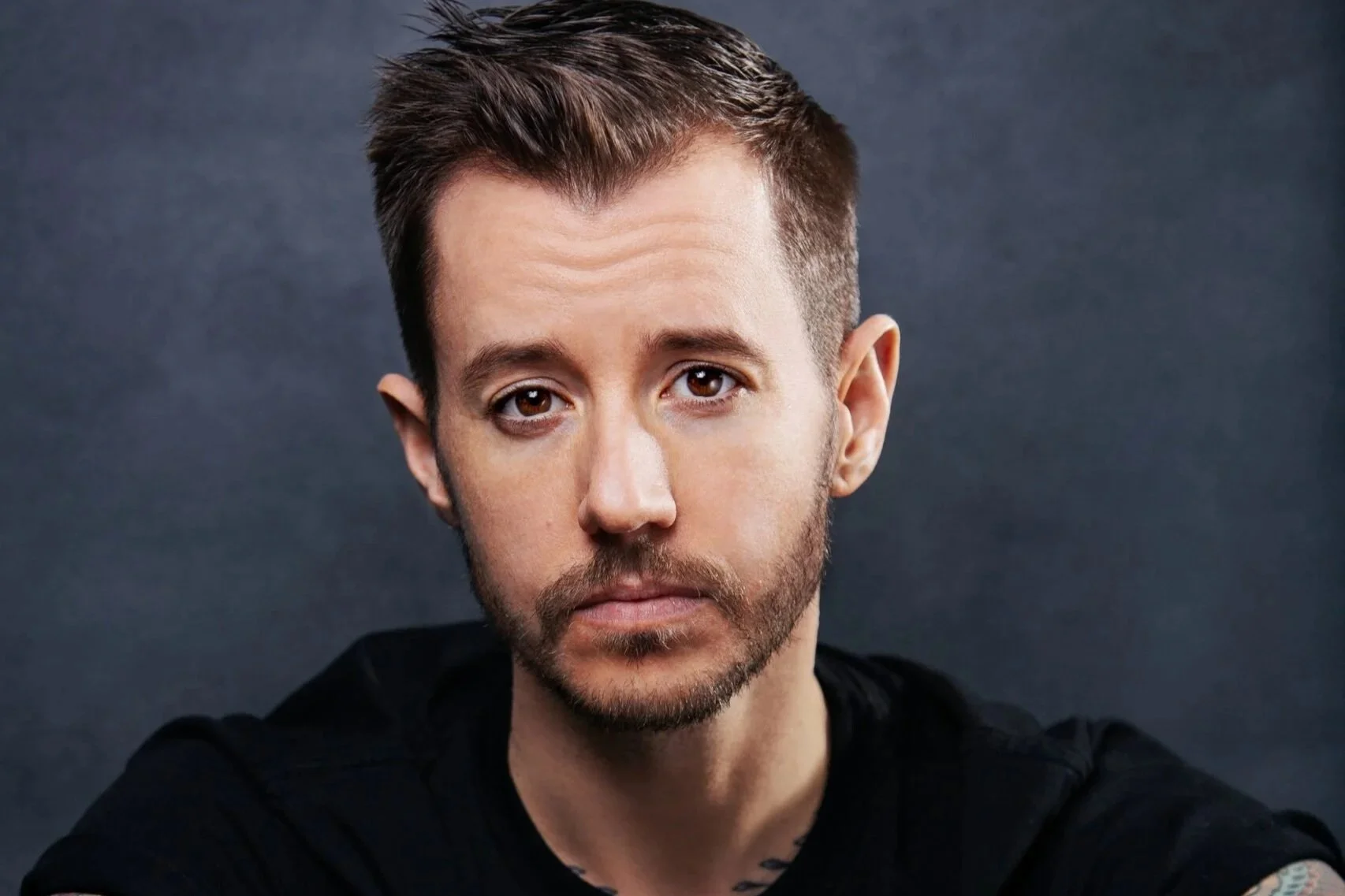
Chase Joynt Captures History in Motion With ‘State of Firsts’
Interview by Nik Mohan | Written by A. Barry Ford
Courtesy of DOC NYC.
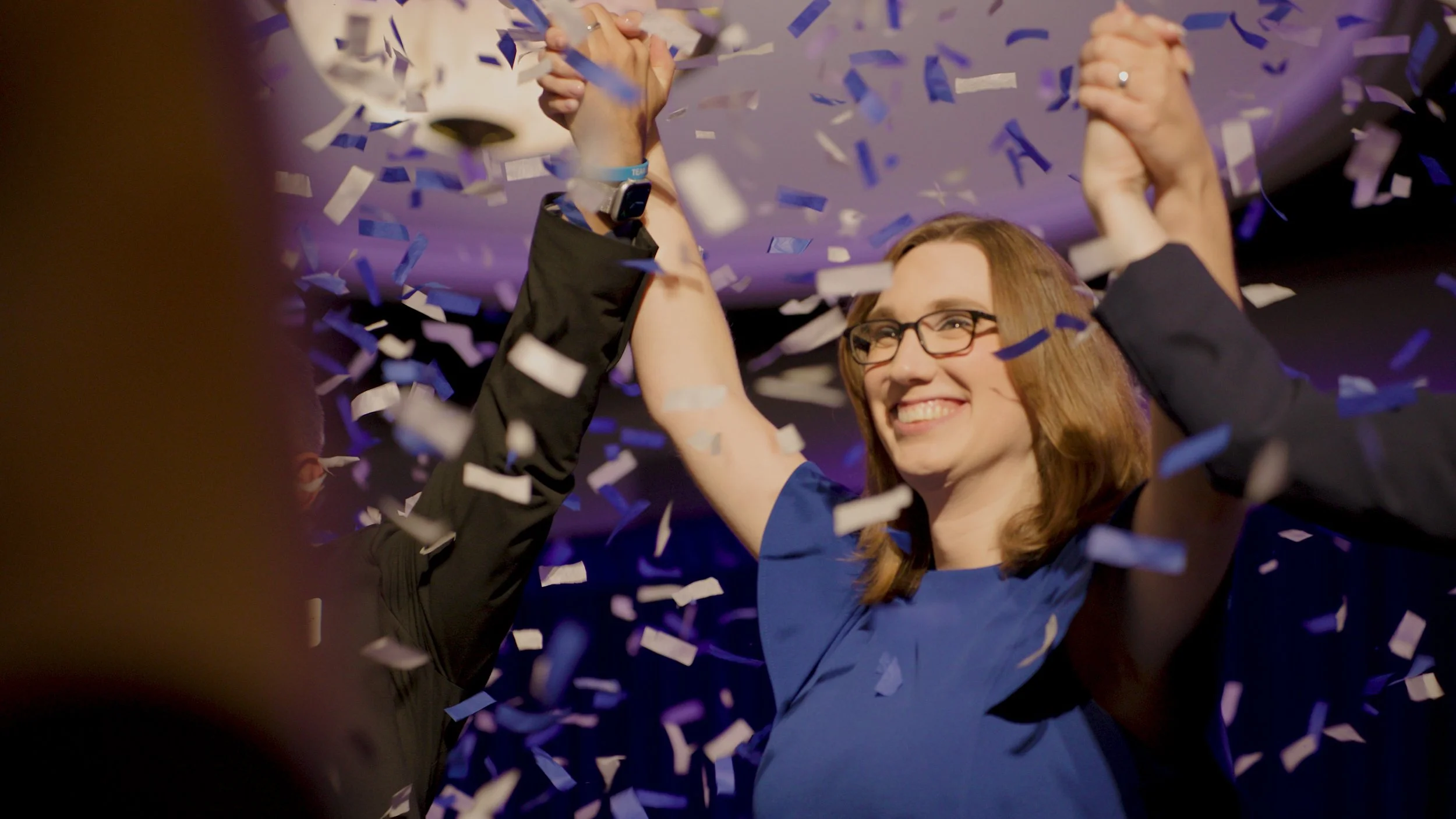
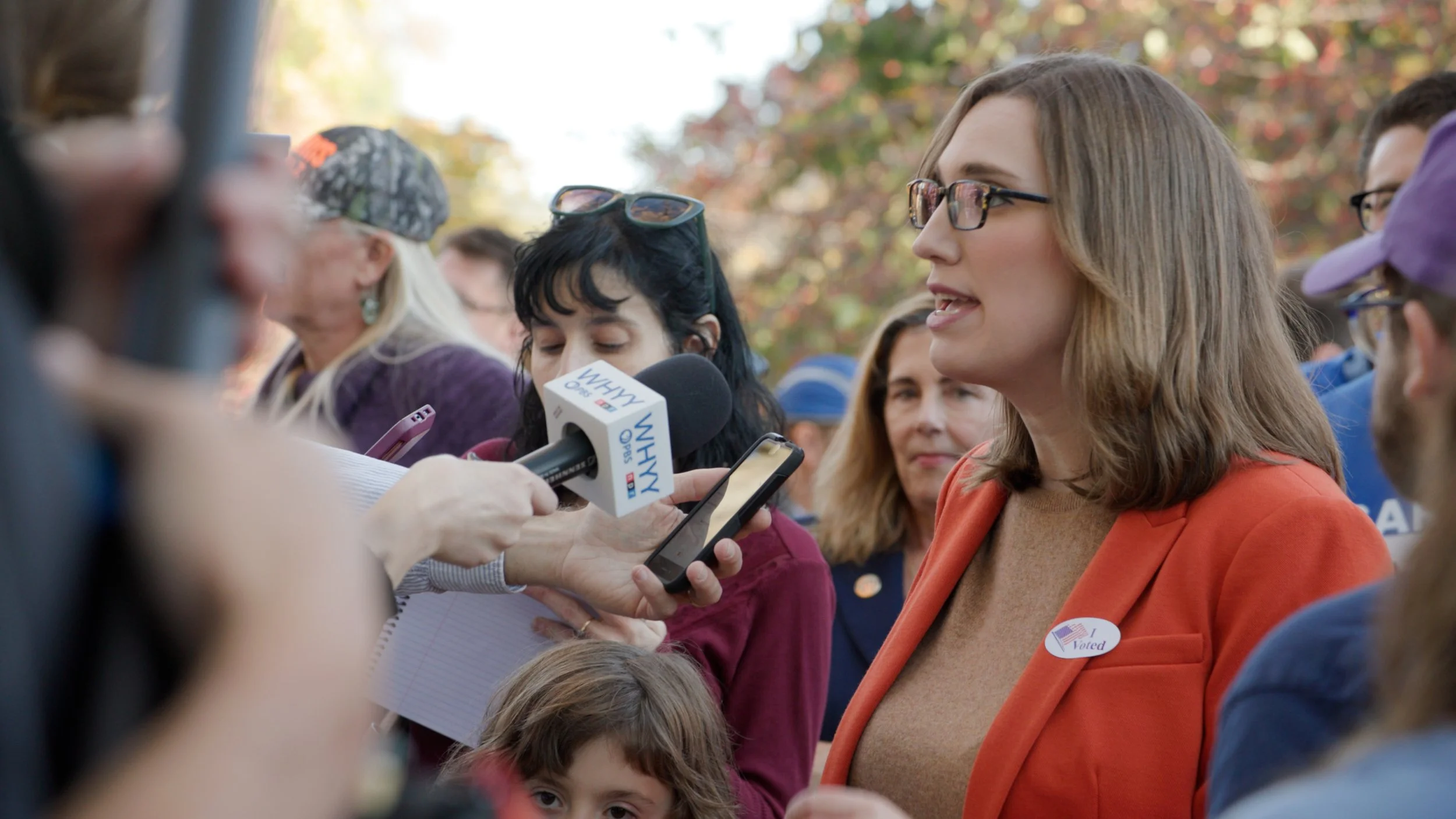
With ‘State Of Firsts,’ filmmaker Chase Joynt turns a historic political milestone into something far more intimate and urgent. The documentary follows Sarah McBride’s groundbreaking campaign to become the first transgender member of Congress, capturing not only the optimism of her victory, but the backlash, scrutiny, and hostility that quickly followed.
Set against the backdrop of a deeply divided America and an escalating political assault on trans rights, the film offers an all-access look at McBride as she balances activism, public service, and the weight of being first. In our conversation, Joynt discusses documenting history in real time, the pressures placed on McBride, and what her story reveals about power, visibility, and resistance in this moment.
You’re Canadian but have lived in the U.S. for a long time now. Give me your honest thoughts about how elections and campaigns are conducted in the U.S. It seems very dramatized and something that is all-consuming with public interest.
Chase: This was my first political vérité, follow-doc. I really did get a crash course in volatility and drama of the American electoral. One of things I did to manage that was to really remain deeply committed to a trans POV. It’s really easy to have the focus of your film move in multiple different directions, but because our film was focusing on Sarah McBride and because she became the center of such volatility, and such violence, I knew that I needed to stay in place to pay close attention.
One of the producers on this film had access to Sarah McBride as a long time friend. Talk to me about how you got involved with this project and why it was important for you to make this film as both filmmaker and trans advocate?
Chase: Jenna Kelly went to university with Sarah… Our film benefitted greatly from that kind of intimacy and access and trust. Jenna was not new to Sarah, and as a result we were able to say here we are, and here are some of the ways we can approach this story.
We’re on the one year anniversary of ‘State of Firsts’ premiering at Tribeca, take me back to a year ago. What were you feeling leading up to that first screening, what was the reception like after the documentary finished?
Chase: We had such a great premiere at Tribeca. It will stay in my body as one of those great moments. We were joined by Sarah and her family. Even more so, we stopped shooting right after inauguration, and we premiered only a few months later. We were in an edit dropping scenes into the film as they were still unfolding. It was all grounded in a commitment to get the film out as soon as possible because we understand our film was in such critical dialogue with the unfolding political present. The [one] year look-back is fascinating, because it does offer us a capsule to that very particular moment in time.
Courtesy of Melissa Langer.
Chase: Narrative building is what’s your A story and B story and how do they interact. I kind of set all that aside, recognizing that we were not going to be able to create a project without paying attention to what’s happening with [Kamala] Harris and [Donald] Trump. But that if we let it be part of the atmosphere rather than a focal point, we could stay locked in to McBride’s campaign and the way in which those issues were interacting with the presidential… We knew both Trump and McBride would win. That concurrency offered us a way to ask a lot of critical question of what’s at stake for trans people.
There’s a great line that Sarah McBride says at the beginning of this doc (paraphrasing Nicholas Klein): “50 years ago they ignored us, 20 years ago they laughed at us, now they’re fighting us.” What does that tell you about how much progress has been made with trans inclusion but also how far we still have to go?
Chase: The fiction of social progress is that it’s linear from a place of less to more, and we know that if we look back in history that it’s not true. Cycles of change loop back on themselves, they move back before they move forward. We can watch those mechnaisions in play in the film. For every moment where we think visibility offers us something like an opening, we recognize that visibility also comes with increased vulnerability. My hope for the film is that folks who might be newer to the conversation hold—in that complexity—a really nuanced understanding of the work of social change is not one that goes from worse to better, and that we have to stay in that for a lot longer.
I like that there’s a lot of footage being taken during McBride’s travels from meeting to meeting, she spends tons of time in the car and it feels like those are moments of reflection for her, and that’s when she can open up to the camera about her journey. Were you actively looking for those intimate moments and locations where you knew she might be able to be more vulnerable?
Chase: The car emerges as this fascinating moment where she [McBride] is able to reflect with more spaciousness. Something that I came to acknowledge is that it is a space for her that is both public and private. It’s a space where she’s in the world, connecting with her constituents, moving from place to place. It’s also a container. There aren’t cameras on her until we put a camera in the backseat… That was one of the only spots where we had sustained opportunity to hang out with her… I’m not a filmmaker that’s interested in trapping subjects, nor am I interested in pushing toward things people do not want to say or disclose. It was a lot of attention to time and space that could set-up opportunities for her to make a choice to step toward that.
Courtesy of Melissa Langer.
Sarah’s family seems really supportive of her personal life and career. Oftentimes we see trans stories that aren’t positive and are about people who are neglected by their community and family. With McBride’s road to becoming a congresswoman as the backdrop, how did that open up the doors for you to tell a really unique trans story that hadn’t yet been told?
Chase: I’m a trans person who has a very supportive mom. I thought it was really energizing and wonderful to portrait Sarah alongside a very supportive family. It wasn’t interesting to me to create a film that had to provide the 101 information about trans life, nor to make any kind of argument that to be trans is to alienate those who are around you—because that’s the narrative that’s being produced by the far-right. Thus, let’s hang out with Sarah’s parents. Let’s hang out with her brothers, and see that she actually has a very strong foundation of support upon which she has built this political career.
What did you learn about Sarah McBride that might’ve surprised you when making this documentary?
Chase: It’s always a complicated pursiot to make a film about someoen and to sit in a room with them and say; here is what we made. And I really appreaicate that Sarah was very gracious in her response to the film. She was a willing interlocutor and trusted us to the tell a story in the environments we were in… She’s a very beloved person to the people of Delaware. We always make a joke; if we could turn our film into a drinking game, every time we say Delaware we’d take a shot and I think that’s emblematic to the state and to her work.
As ‘State of Firsts’ makes clear, Sarah McBride’s story is not only about breaking a barrier, but about what happens after history is made. Through Joynt’s lens, the film captures the personal cost of visibility, the resilience required to lead under attack, and the ongoing fight for dignity in a country still wrestling with acceptance. It’s a timely, deeply human documentary that leaves audiences not with easy answers, but with a sharper understanding of the courage it takes to keep moving forward when the spotlight becomes both a platform and a target.
MORE NEWS