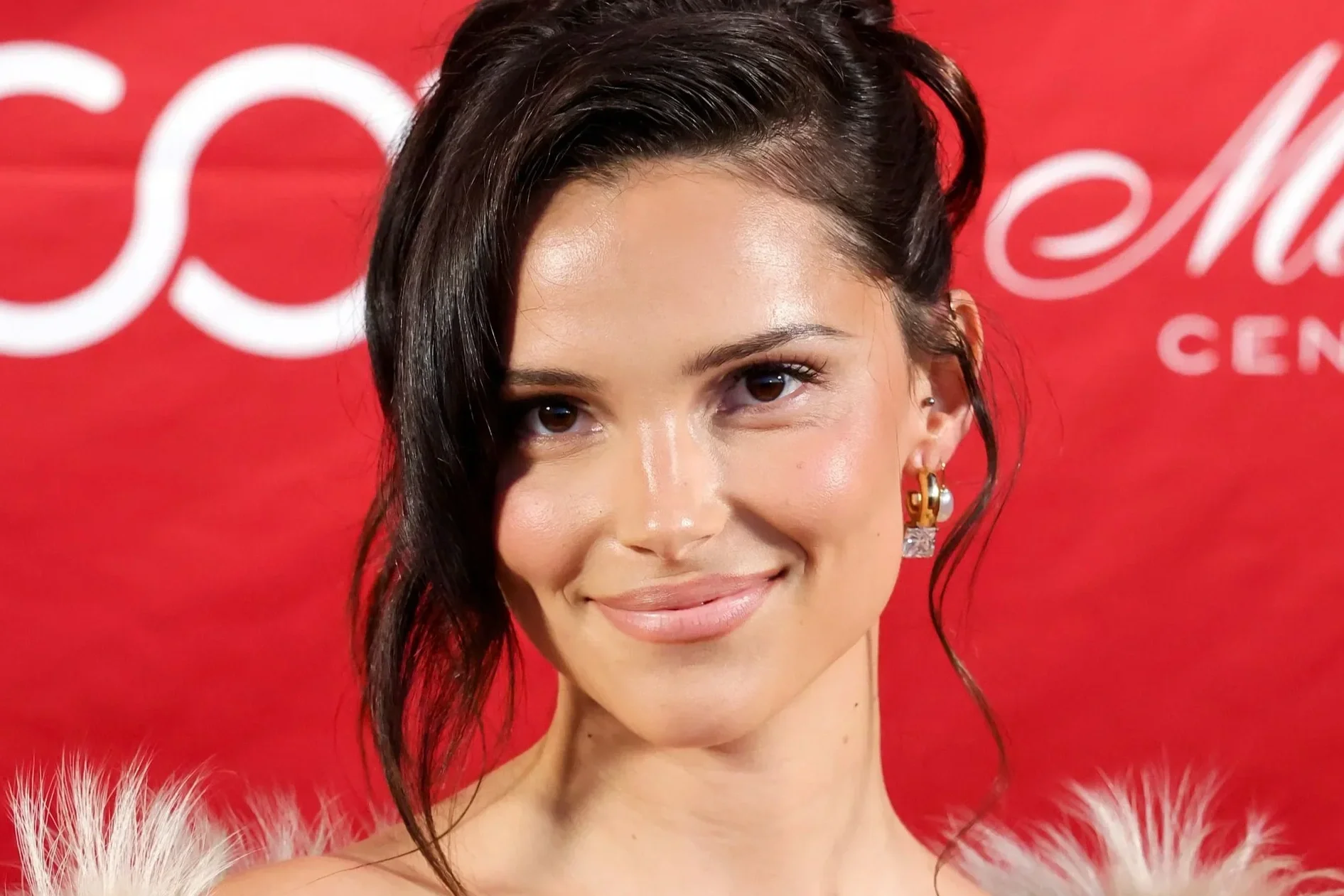
Anya Taylor-Joy Explains Why Women Are Less Likely to Embrace Method Acting

Courtesy of Getty.
Anya Taylor-Joy Explains Why Women Are Less Likely to Embrace Method Acting
Anya Taylor-Joy has offered a characteristically candid explanation for why method acting appears to be more commonly associated with male performers, arguing that women are rarely afforded the freedom to abandon their everyday responsibilities in the name of a role.
Speaking during an interview with Complex while promoting her Apple TV series Lucky, Taylor-Joy joked that women tend not to become method actors because they still have other matters to handle outside of work.
“If you’ll notice, women don’t method act because we have things to take care of,” she said, suggesting that completely surrendering to a character is not a realistic option for many female performers.
Method acting generally involves an actor immersing themselves deeply in a character’s emotional and psychological world, sometimes remaining in character even when the cameras are not rolling. The approach has produced some celebrated performances, but it has also attracted criticism when an actor’s process begins affecting colleagues or disrupting the working environment.
Taylor-Joy does not believe extreme immersion is necessary to deliver an emotionally convincing performance. She described acting itself as a form of “controlled psychosis,” explaining that performers already spend long working days thinking, moving and behaving like another person.
For the actress, a character can begin to feel like a temporary presence living inside her mind. That influence may follow her beyond the set, but she relies on friends and family to recognise when the boundaries between herself and the role are becoming less clear. Taylor-Joy said the people closest to her will occasionally address her by a character’s name as a signal that it may be time to reconnect with herself.
Despite the psychological intensity involved in her work, Taylor-Joy stressed that actors still have a responsibility to remain considerate and collaborative. A production can involve hundreds of people, all of whom need to work together, and she argued that an actor’s preparation should never become an excuse to behave badly.
Remaining unpleasant or confrontational in the name of a performance, she suggested, could prevent other cast and crew members from doing their best work. Her remarks challenge the romanticised idea that disruptive behaviour is evidence of artistic commitment rather than a failure to maintain professional boundaries.
Taylor-Joy’s comments arrive amid a broader industry conversation about the gender dynamics surrounding method acting. Natalie Portman previously described the practice as a luxury that women often cannot afford, pointing to the personal and domestic responsibilities that would make remaining in character around the clock difficult. Kristen Stewart has also questioned the theatrical mythology surrounding the technique and the way male actors can be praised for behaviour that might be judged more harshly in women.
Although Taylor-Joy’s statement was deliberately playful and does not account for every performer — actresses including Lady Gaga and Hilary Swank have used immersive techniques — it highlights a noticeable double standard. Male stars are frequently celebrated for transforming their bodies, isolating themselves or bringing their characters’ behaviour onto the set. A woman behaving in the same way may be more quickly described as difficult, unstable or unprofessional.
Taylor-Joy has built her own career around transformative performances without publicly adopting the method label. Her roles in The Witch, The Queen’s Gambit, The Menu and Furiosa: A Mad Max Saga have required her to inhabit characters experiencing isolation, obsession, violence and psychological distress. However, she appears determined to separate emotional commitment from the mythology of suffering for one’s art.
The actress is currently leading ‘Lucky,’ in which she plays con artist Lucky Armstrong, while also serving as a producer on the series. She is additionally set to return as Alia Atreides in ‘Dune: Part Three’ and appear in ‘The Lord of the Rings: The Hunt for Gollum.’
Her argument ultimately reflects a straightforward philosophy: actors can take their performances seriously without making everyone around them endure the process. For Taylor-Joy, losing herself temporarily in a character may be part of the job, but knowing when to return to reality is equally important.
MORE NEWS