Ruby Phelan and Margherita Barbieri on Finding Hope in ‘The Last Pancake’
Interview by Nik Mohan | Article by Kevin Ward
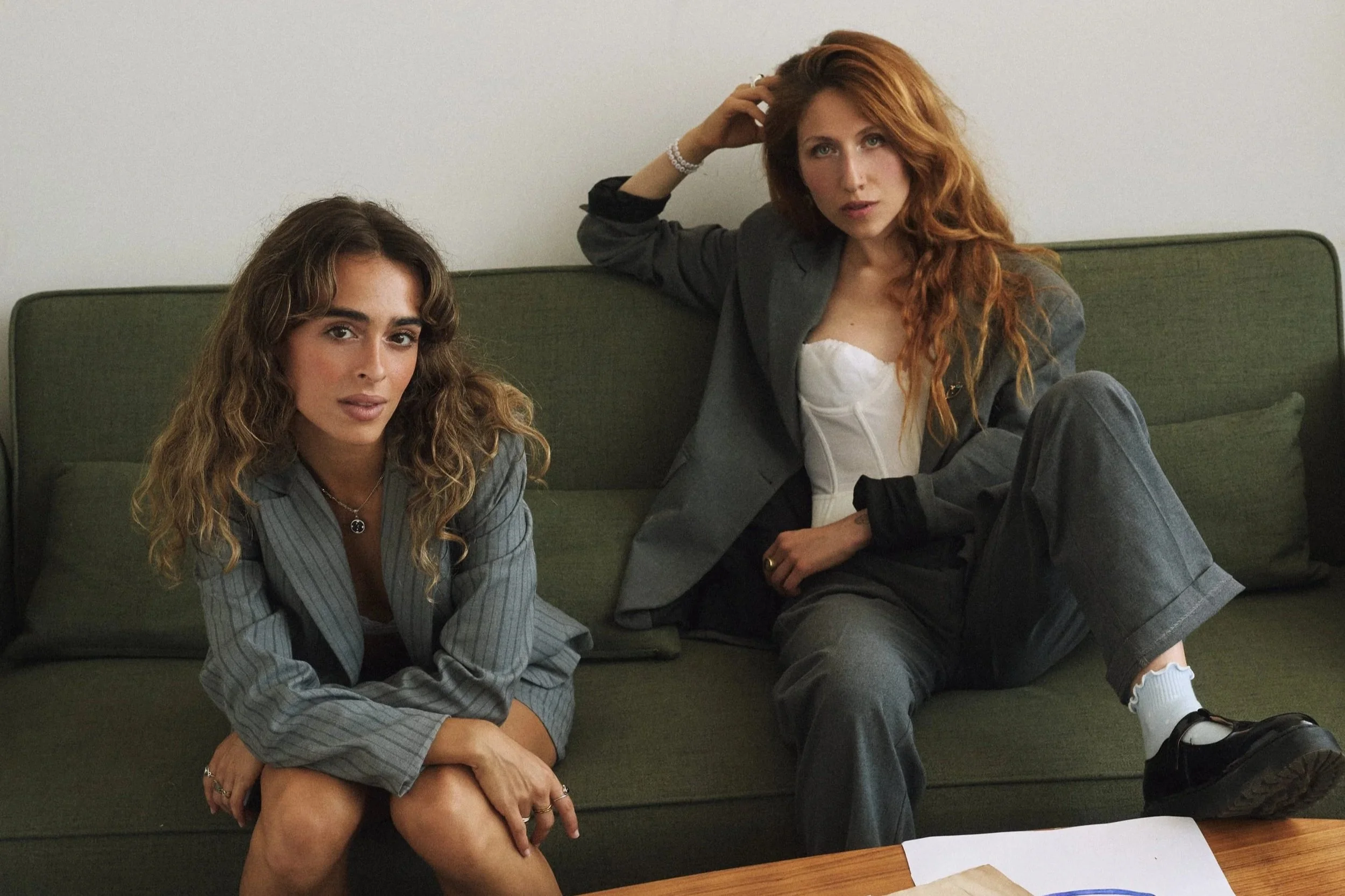
Photography by Josh Showell.
Writer-director Ruby Phelan transforms the deeply personal experience of eating-disorder recovery into a tender and quietly surreal story about nourishment, self-acceptance and choosing to remain present in your own life. This is ‘The Last Pancake.’
The short film stars Margherita Barbieri as Amanda, a young woman whose visit to a mysterious café becomes an emotional journey towards reconnecting with the parts of herself she has learned to suppress. Top Film spoke with Phelan and Barbieri about bringing such an intimate subject to the screen, balancing vulnerability with magical realism and creating a film that finds hope within the often invisible process of recovery.
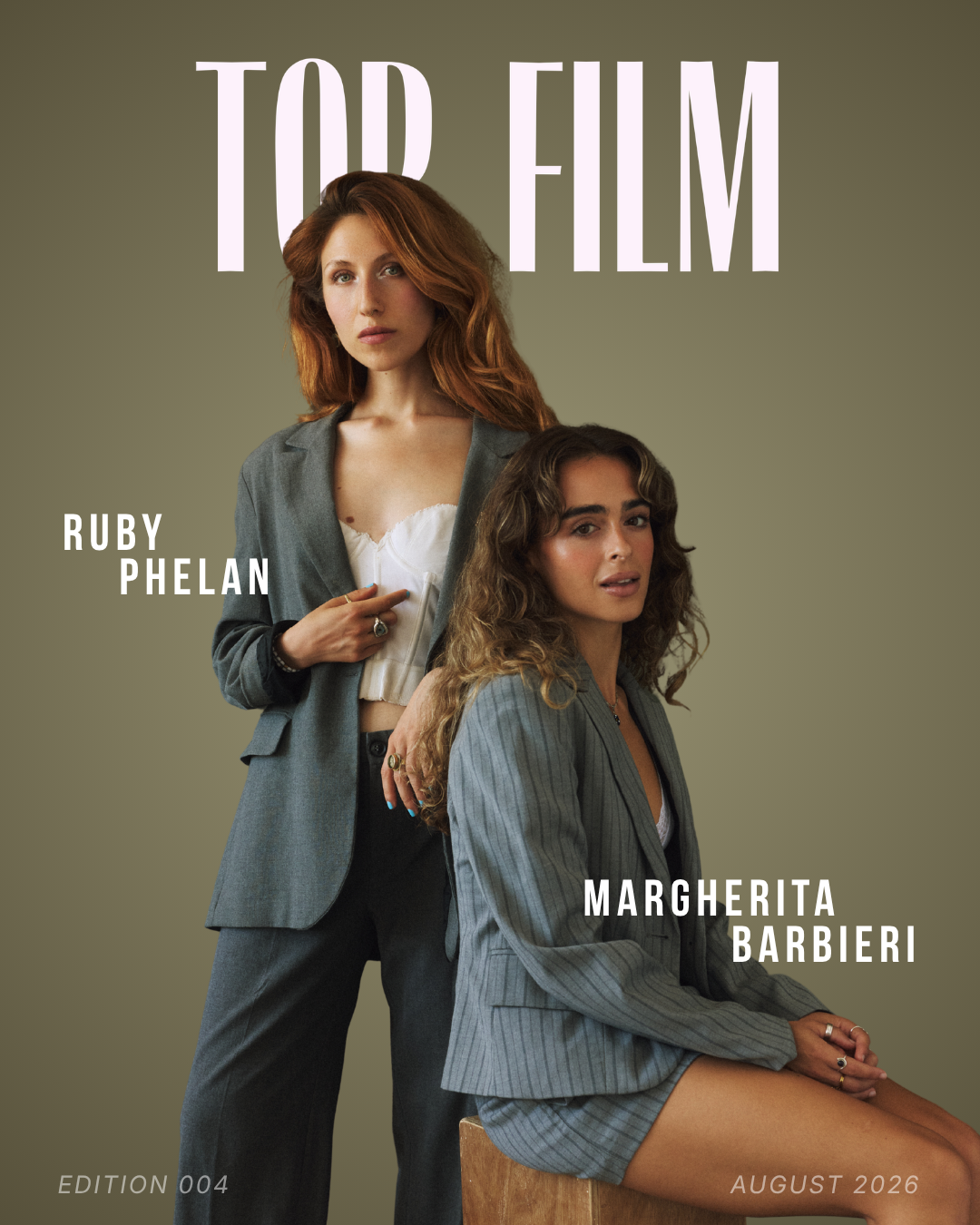
Photography by Josh Showell.
What led you to take such a personal story and translate it to screen?
Ruby: The story came from under my skin. It felt like a heartbeat being put out onto the page — something that I was going through at the time of writing it. So it felt very raw to put it into writing form then script form, then ultimately bringing it to life in a movie, giving it that proper heartbeat — giving it that skin… What’s interesting is that it started from a kernel of truth. It started from my own experience recovering from an eating disorder which felt like something that I kept secret for such a long time — especially within my career… To go from not speaking to anybody about it to then deciding to recover on my own and then make a movie about it felt like quite a radical step to take.
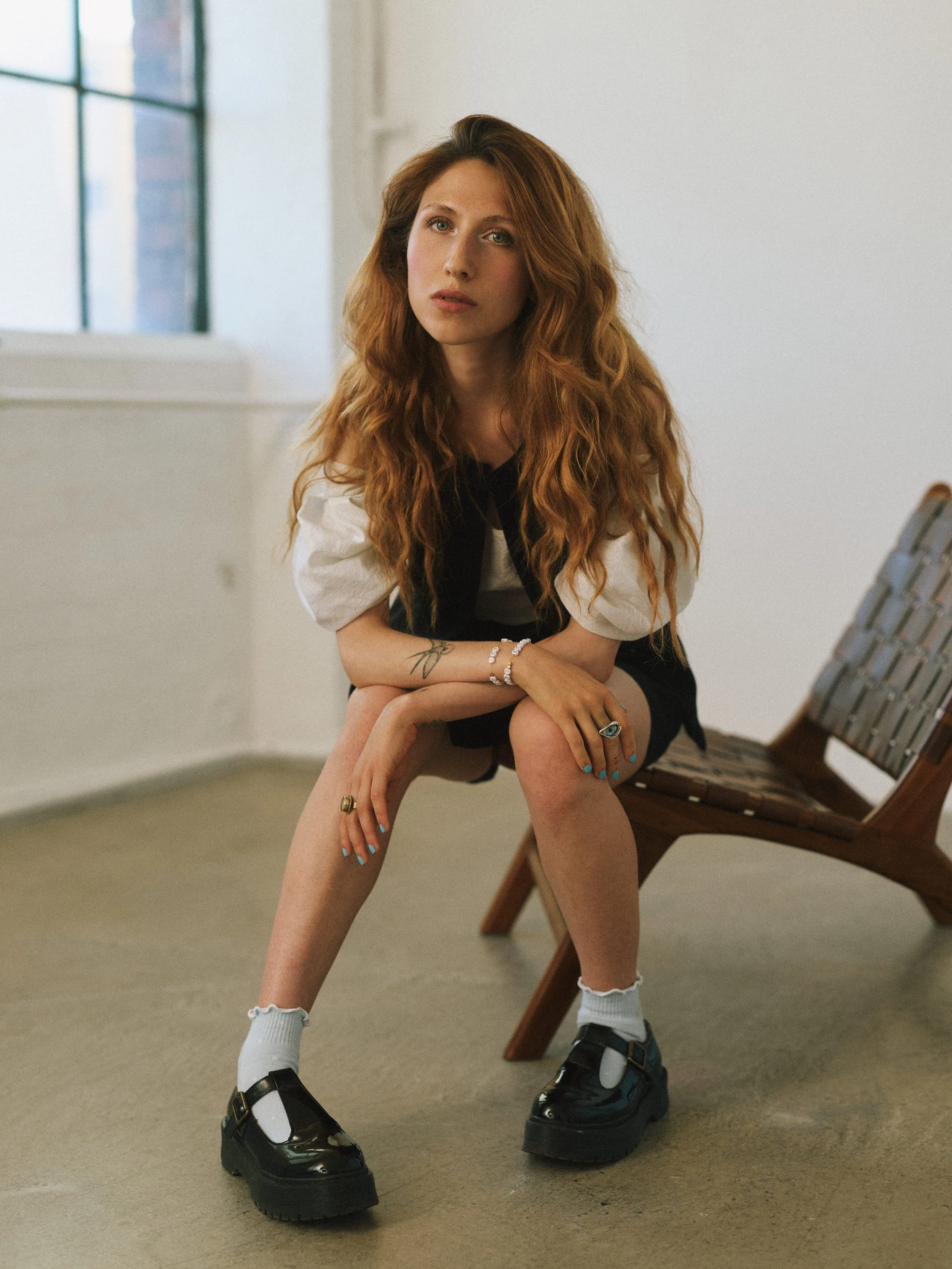
Ruby Phelan / Photography by Josh Showell.
Ruby: Silence and shame go hand in hand with this… I didn’t want to go through it on my own anymore. And I think if i can do anything to help people to know that it is possible to reconnect with your appetite and have a better relationship with food in your body; I think that’s my aim with the film.
I’m sure there were many discussions with Ruby about the craft and care that would go into this film, what was your initial reaction after reading the script, how did you get involved with the project?
Margherita: I feels like the story I needed when I was unwell. And it’s such a powerful thing to be a part of that now. It felt really pulled to it — it felt like a space I really wanted to be in, and a story I wanted to tell… When Ruby sent me the script, I thought it encapsulates such a feeling of what it [eating disorders] really does feel like. I think that bravery is often shown in these heroic, huge things, and actually a lot of bravery is in these small everyday things — especially in recovery. It’s about choosing something consistently and constantly. That choice is often very invisible, and that’s to nourish yourself and to reconnect with love.
Ruby: This is a moment that we really don’t see within the depiction of eating disorders and recover on screen. I find films about eating disorders often quite triggering and uncomfortable, especially as a person that has had that experience. It’s always about the body and the distressing moments… I think that’s valid. But I wanted to highlight the most transformative moments of my experience.
The film is very present. We’re in this specific moment with Amanda in her journey to recovery. Why was this snippet of time with Amanda in the cafe the moment you wanted to explore?
Ruby: We go inside Amanda’s [the character played by Margherita] stomach. Inside the cafe, it’s very contained. I often feel like having a contained environment and contained space, you can find really intimate epicness within that. The person becomes the landscape. It was all about the interior, and interior transformation.
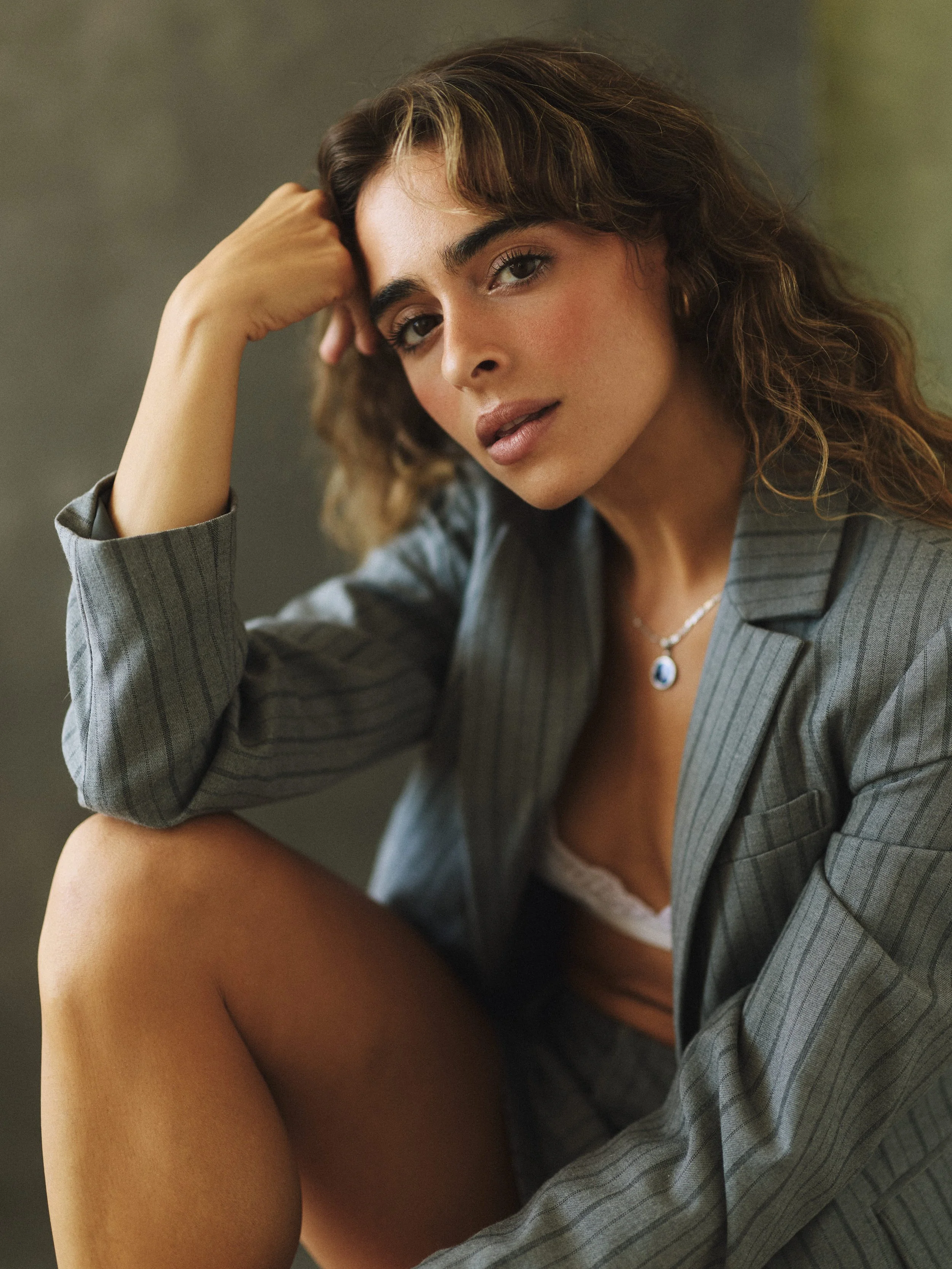
Margherita Barbieri / Photography by Josh Showell.
Are you someone that builds the foundation of a character like this based on your own experiences, or did you give Amanda her own personal journey to establish that her recovery belonged specifically to her?
Margherita: We spent a lot of invested time really creating Amanda. Ruby and I were in this amazing rehearsal room and we found all of these key points of her, where she holds things and carries certain experiences. I was also able to tap into my own journey and bring all of those pockets of memory back to life in a very safe way… I’ve had lots of experience overcoming fear foods. I remember being in Pret and having the first banana I’ve had in years. I remember being sat their with my mum and it being a very emotional experience… In that moment I was brave, I was a warrior. And who knew in that tiny corner I was doing something so huge. I got to tap into the memories that were bittersweet but could be felt again in a very beautiful way.
Margherita has previously spoken about how an eating disorder can gradually become intertwined with a person’s identity, particularly when others begin to define them by it. Ruby, how did you ensure that audiences saw Amanda as a fully realized person rather than simply through the lens of her diagnosis?
Ruby: We tried to find complexity within the terrain of Amanda’s journey. There’s a moment building up to the first bite. There’s joy within the playfulness with her younger self. Eventually getting to point of addressing the last piece of pancake, that’s a moment of triumph but also grief and permission and pain and regret. But it’s a new chapter [for Amanda]. There’s this mix between finding the new version of yourself but also finding the old version of yourself. I tried to think of the whole journey and arc of Amanda’s story as going to war with her disorder. I think of everything as a preparation for battle; going into the cafe, sitting down at the table, preparing, putting on armour, getting ready, reading the menu. Doing all of these beats to be able to pick up her weapon—her fork.
How did you approach Amanda’s emotional journey, and how did you tap into that vulnerability?
Margherita: At the beginning its very much she’s [Amanda] trying to suppress the connection and not listen to it. But at the end it’s singing. She can hear that fully. So I think it’s about falling in love and hearing it again. It felt like such a gift every time I stepped into this character and this world Ruby created. We worked really hard on creating connections to the props even. I was so able to safely step into emotions and feelings because of the equipment and the tools that I had. Every time I picked up the fork I could feel the tension or the fear, the heartbeat of the thing I hand in my hand.
Ruby: This is a moment within recovery—a moment of hope and moment of progression and momentum. But its not the end, this is only the beginning. For me, ‘The Last Pancake’ means it’s the last pancake that she will eat whilst in this distress and pain. It’s the first pancake on the journey to healing.
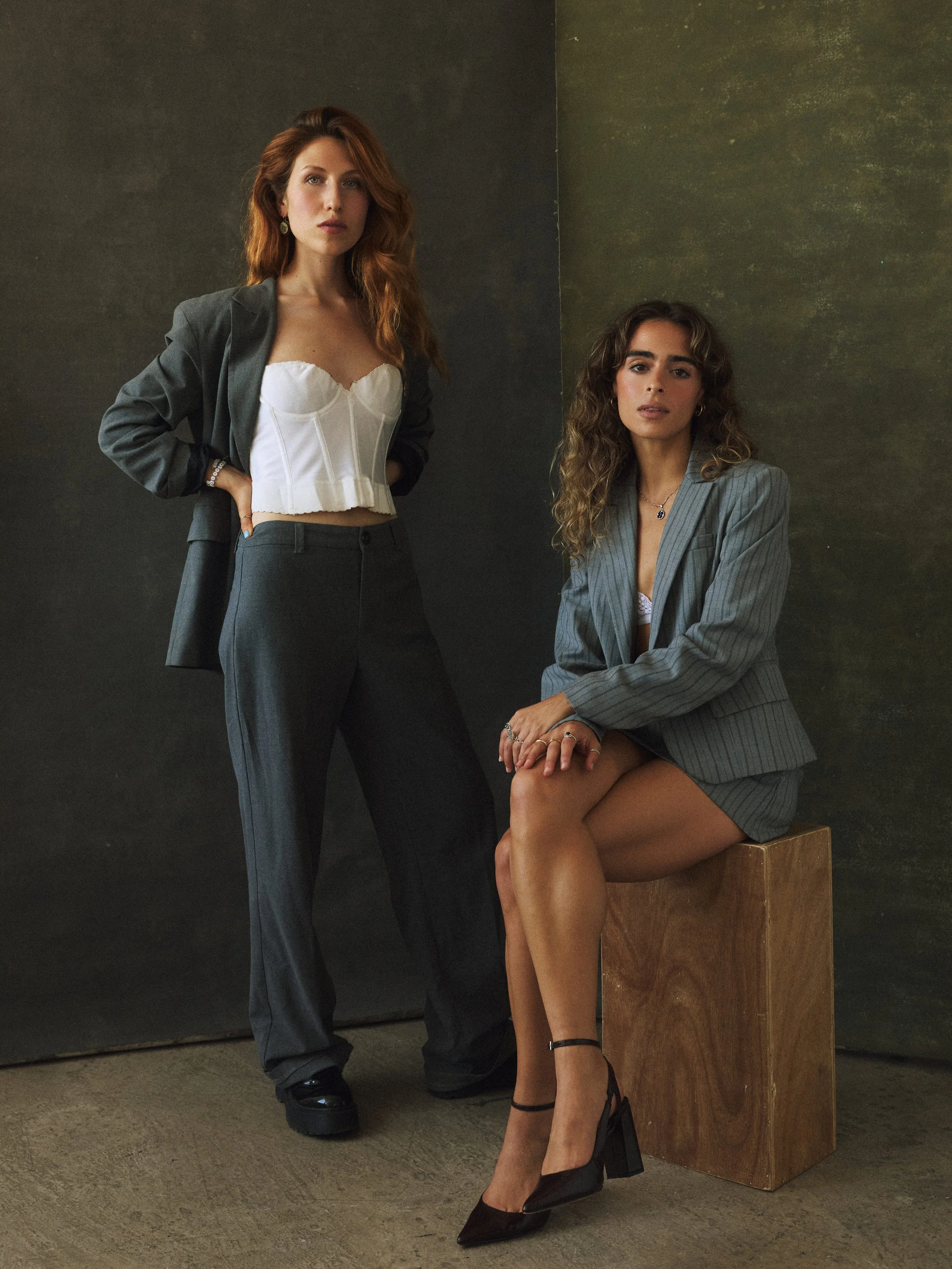
Ruby Phelan and Margherita Barbieri / Photography by Josh Showell.
MORE NEWS