‘Agridulce’ Review: Bachata Becomes a Language for Growing Up in Frank Pavich’s Warm, Searching Documentary
Review by Nik Mohan
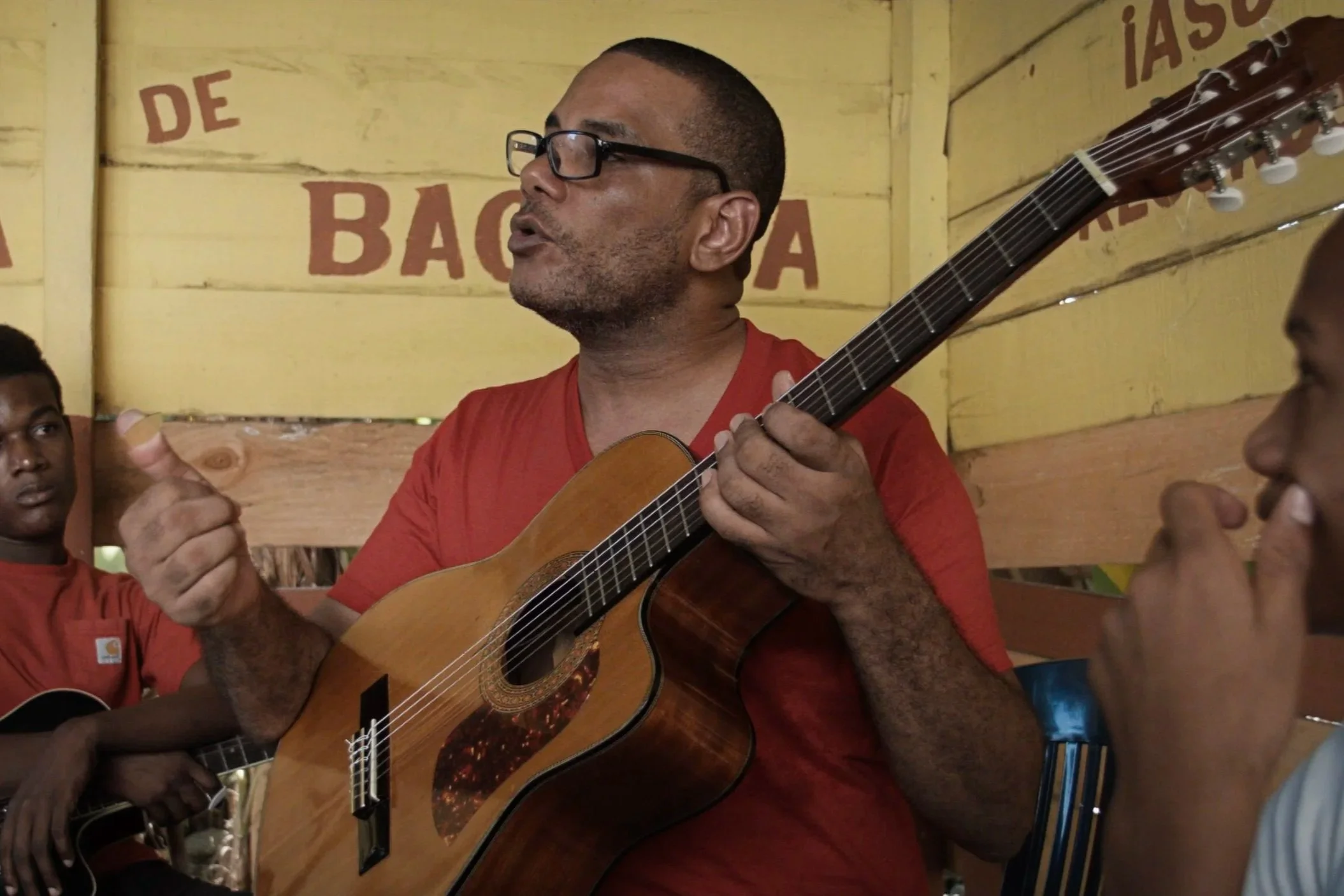
Courtesy of Sonia Herman Dolz.
Bachata may now fill clubs and stadiums around the world, but Frank Pavich’s 'Agridulce' is far more interested in what the music sounds like before it becomes exportable. Set in Cabarete in the Dominican Republic, the documentary follows young musicians at the Academia de Bachata as they grow up alongside the music they are learning to inherit. Filmed across five years, it is simultaneously a music documentary, an ethnographic portrait and a coming-of-age film; one where lessons in rhythm and guitar gradually become lessons in identity and belonging.
That distinction matters. Pavich, best known for 'Jodorowsky’s Dune', could easily have made an inspirational documentary about talented kids whose lives are transformed by music. 'Agridulce' is smarter than that. Music offers possibility here, but never a magical escape hatch. The students still have families to navigate, money to think about and futures that remain stubbornly uncertain. The Academia can provide an instrument, a teacher and a place to belong; it cannot guarantee that talent will turn into a career. That tension gives the film much of its emotional throughline.
Bachata emerged from marginalized Dominican communities, pairing songs of love and heartbreak with Afro-Caribbean musical traditions, before eventually becoming one of the country’s most recognizable cultural exports. The Academia de Bachata, founded in 2013, now teaches hundreds of children free of charge, essentially asking how a form built through oral tradition and lived experience can be preserved without embalming it.
That question gives 'Agridulce' circles around cultural transmission: who gets to carry a tradition forward, what changes when that tradition enters a classroom, and whether preservation can coexist with reinvention. Pavich rarely makes the movie feel like homework, largely avoiding the parade of talking heads that can flatten music documentaries into illustrated Wikipedia pages. Instead, his observational approach stays close to the children, their families and their surroundings, allowing rehearsals, conversations and everyday life to do much of the explaining.
The result can be wonderfully tactile. Bachata is not treated simply as a genre to be defined but as something embedded in daily existence; heartbreak, swagger, memory and community all seem to find their way into the music. Pavich understands that watching a young musician discover why a song matters can tell us more than another expert explaining why that song should matter. Even viewers with little knowledge of bachata can feel its social function long before they could explain its musical structure.
The film is especially strong when it allows the larger contradictions of Dominican life to surface naturally. Questions of class, cultural identity and belonging exist alongside the joy of performance rather than being sectioned off into Serious Issues.
One of the student’s (Frandy) Haitian heritage, for instance, places ideas of national identity and inclusion directly inside a story about a musical form often treated as quintessentially Dominican. The documentary never abandons its young subjects to become a political essay, but that context makes its central idea more complicated and more interesting: culture can create belonging even when society is busy drawing boundaries around who belongs.
‘Agridulce' observational looseness is part of the appeal, but Pavich sometimes revisits ideas the film has already communicated beautifully. Music heals, connects, provides direction, and that’s all established relatively early in the film. The absence of a more forceful narrative progression means the documentary can drift in its middle stretch, with individual moments remaining compelling even as the overall structure begins to feel less precise.
'Agridulce' works best when it trusts the contradiction contained in its title: sweetness and bitterness existing at once. These children experience the exhilaration of making music alongside the far less romantic realities of growing up. Dreams expand while circumstances push them back. Tradition offers them roots, but adulthood demands that they decide where those roots might lead.
Pavich gives the audience something warmer and more thoughtful than a simple celebration of bachata. 'Agridulce' is about the complicated process by which culture survives — which you won’t necessarily find inside museums or history books, but through young people who absorb what came before them and inevitably turn it into something of their own. The pacing may occasionally miss a beat, but its affection for these musicians, their community and the music connecting them is difficult to resist.
Our score: ★★★★☆