‘The Last Photograph’ Review: Zack Snyder’s Most disturbing Film Is a Compelling Portrait of Grief, Tragedy, and Loss
Review by Nik Mohan
Courtesy of Zack Snyder & Fra Fee via Instagram.
There are fewer that decide to stay wholly true to their vision than Zack Snyder. Whether you like or dislike his his directing style, he’s someone that thrives on an uncompromised result — even if that means mixed or negative reviews across the board — and that’s admirable.
Zack Snyder finds his passion project at TIFF 2026, where strong fan demand and chatter about the film has been spreading like wildfire. This project — over twenty years in the making — sees Snyder at his most raw, visceral, and unapologetic. Currently without a distributor, ‘The Last Photograph’ received a 3-minute standing ovation as the credits rolled, while some were completely silent — either in awe or shock or disgust (and maybe all three).
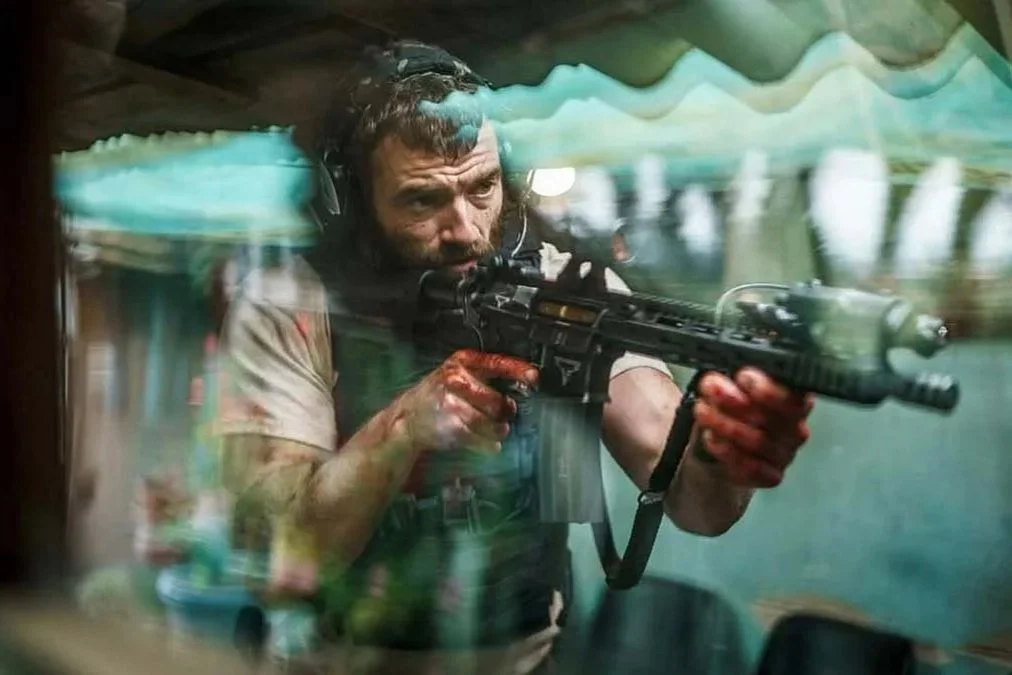
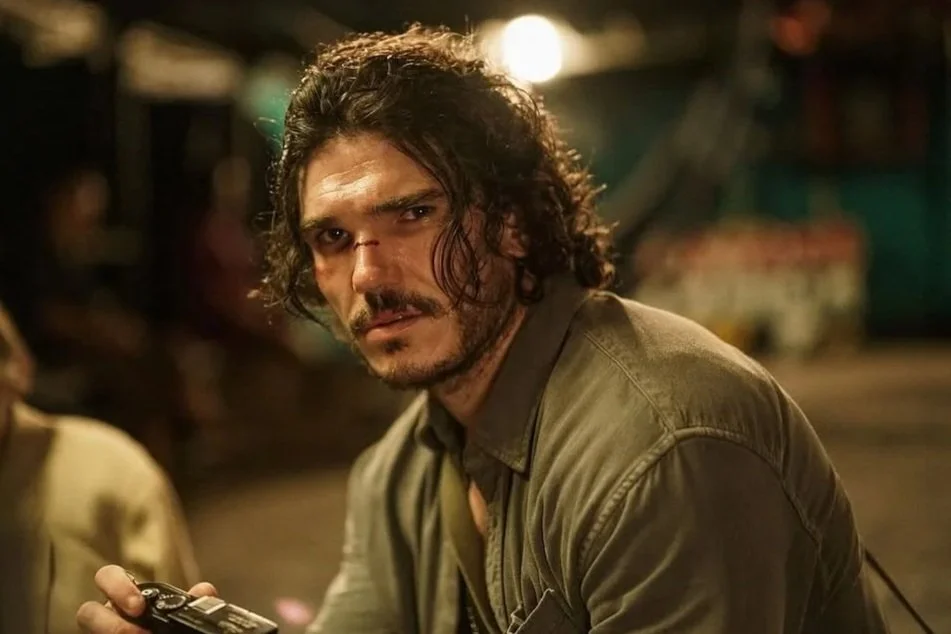
Lead Stuart Martin stars as an ex-DEA agent Ethan Black seeking revenge in an unspecified region of South America after his past lover was killed — who happened to be married to his brother. Fra Fee also stars a past-war photographer Joe Wallace, who was a witness to the execution, and tags along with Ethan to identify the men responsible. Ethan also rushes to find his kidnapped niece and nephew before the clock runs out.
You can tell Snyder has had years to juggle different tones and themes within the characters and overall story. It tackles extreme religious fantasticism, love, loss, trauma, grief, identity, and so on. This leads the film to start very strongly, with the most gripping and horrifying opening scenes in Snyder’s filmography, but slightly wobbly within the second act. We go from captivating drama to bombastically heightened action sometimes within minutes — though the action is intended with purpose. The combination here is three movies locked into one vision. All the themes land well enough, but the body of the film isn’t quite sure where it stands, and for the most part, it works.
Martin’s character is an investment, taking a slow-burn approach as his beginning as a farming recluse until we finally reach the end of the film where you can completely understand and appreciate the journey he’s been put through. Fee is no exception. His character, much like Martin’s, has a deep and troubled past. He’s unwilling to change, and loses himself to drug abuse to lessen the blow of deeply disturbing photography.
This is where the film lost some of the audience. The visuals are incredibly effective yet disturbing, and it’s no shock that distributors haven’t been knocking on Snyder’s door for a deal. From bloody bodies of all ages in the streets to literal torture, this is Snyder at his most unforgiving.
But does the violence justify itself? Yes and no. It’s a tale that shows the darkest depths of gang underworld and child trafficking in South America, and every street corner and jungle canyon has something terrible inside it. But it sometimes feels like you’re beaten over the head with how bad things can truly be. Does that make things too realistic or overly cinematic?
Both leads give the film needed clarity and moral justification, while fundamentally being malevolent characters. Stuart Martin ignites something harkening to Hugh Jackman-level outbursts, while Fra Fee keeps things lighter at times, a cover-up to his character’s bleeding guilt. This works for the most part, but the actors can sometimes slip over the script’s attempt to unnaturally force that dynamic. Few decisions the characters make are illogical, but you may be questioning what the real motivations are behind our leads.
Snyder’s longtime collaborator and screenwriter Kurt Johnstad has been in close development with ‘The Last Photograph’ since the very beginning, but more often than not, it’s Snyder behind the camera once again doing the heavy lifting (literally). Some of the best shots of Snyder’s career are in this film. The visuals heavily aid the editing throughout, leading us from one point to the next with enough time to think of the unfolding events.
The third act isn’t a typical Zack Snyder action sequence. It’s slow, methodical, and that can sacrifice dampens some of the mystery and intrigue that the build-up of the first two acts provided. Toward the end, you could almost peg it for a meditation piece — another display of the film catering to 20 years of thematic revisions. If you’re accustomed to Snyder’s films, you may be surprised. If you choose not to endeavor with Snyder’s work, you may appreciate the attempt to create something meaningful.
There’s a compelling drama in here, alongside a heightened war movie, religious chaos, and the trauma of tragedy — all while being hyper-violent. A lot of ideas are thrown into play, and more often than not, they stick at the expense of focus. Those who prefer a more lean story will not get the film they’re expecting.
‘The Last Photograph’ will spark uncomfortable discussions on whether Snyder needed to go the distance on certain topics, or if this is necessary in the case of true expressionism. Snyder creates his own rules and breaks them time and time again.
Our score (out of 5 stars): ★★★½